
US Mint Pre-1933 Gold for Sale - Compare Dealer Prices
For those who enjoy history, collecting pre-1933 US Mint gold coins can be an educational endeavor. It offers insights into different periods of American history, including the economy, coinage, and minting processes.
Pre 1933 US Gold Categories
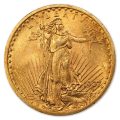
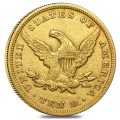
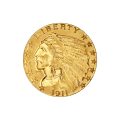
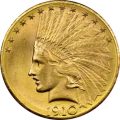
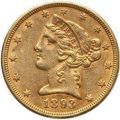
Compare Pre 1933 US Gold Prices
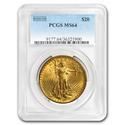
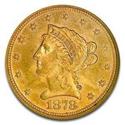
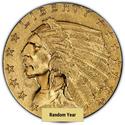
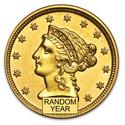
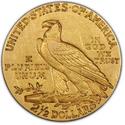

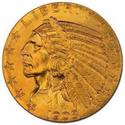
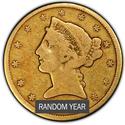
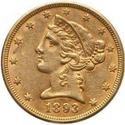
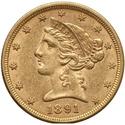
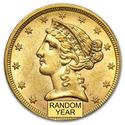
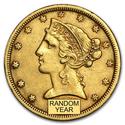
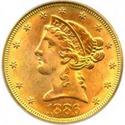
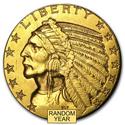
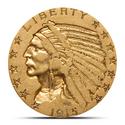
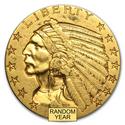
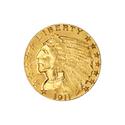
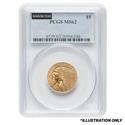
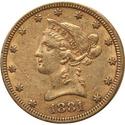
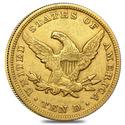
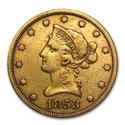
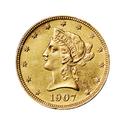
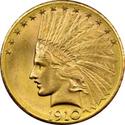
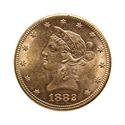
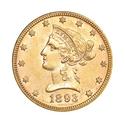
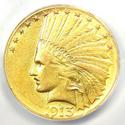
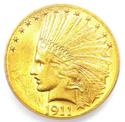
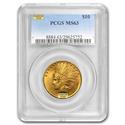
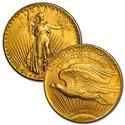
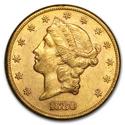
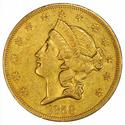
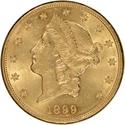
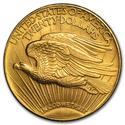
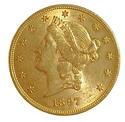
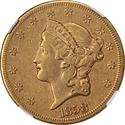
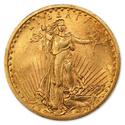
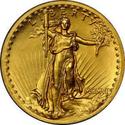
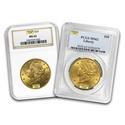
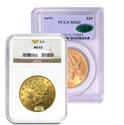
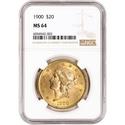
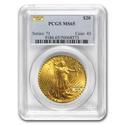
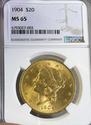
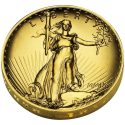
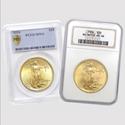
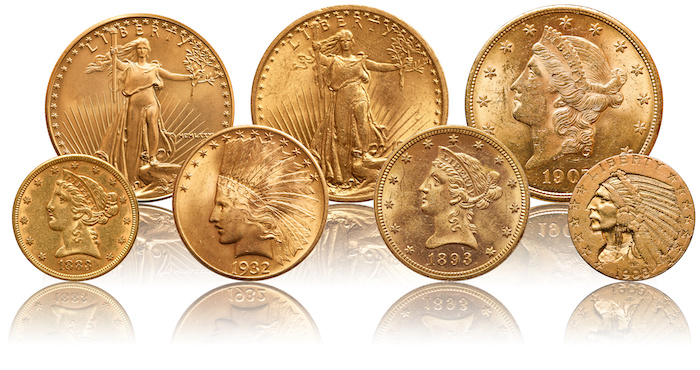
Pre-1933 Gold Coins: Compare Prices & Premiums (Liberty, Indian & Saint-Gaudens)
Why this page matters: Pre-1933 U.S. gold coins—Liberty/Coronet Head, Indian Head, and Saint-Gaudens—combine bullion value with historic significance. Our aggregator monitors live offers from vetted U.S. dealers so you can quickly identify lowest premiums by denomination, grade (VF/XF/AU/BU/MS), or certification (PCGS/NGC). This page helps investors and collectors avoid overpaying while selecting the right coin for their goals.
How Pricing Works & Common Pitfalls
Pricing = Melt Value + Premium.
Melt tracks the gold spot price × fine gold content (e.g., a $20 Double Eagle contains 0.9675 ozt of fine gold). Premiums reflect supply/demand, date/mint rarity, eye appeal, grade (raw vs PCGS/NGC), and market liquidity. Circulated common-date coins (VF/XF/AU) generally have the lowest premiums; certified MS coins (MS-60 to MS-65) carry higher premiums that can expand in strong collector markets.
- Avoid surprises: "Cleaned," "ex-jewelry," mount marks, or hairlines reduce resale value, even with identical gold content.
- Verify authenticity: Shop known dealers; prefer certified coins (PCGS/NGC) for higher grades or bigger spends.
- Know taxes/spreads: U.S. coins are "collectibles"; federal long-term gains rate can be up to 28%. Bid-ask spreads vary by grade/market.
- IRA note: Most Pre-1933 coins are not IRA-eligible (0.900 fineness); check with your custodian.
Pre-1933 U.S. Gold Coin Specifications
Key specs investors search for—denomination, fineness, fine gold content, and dimensions—across the most sought-after series.
$20 Double Eagle
| Series (Design) | Years | Fineness | Gross Wt (g) | Fine Gold (ozt) | Diameter | Notes |
|---|---|---|---|---|---|---|
| Liberty/Coronet Head | 1850–1907 | .900 (21.6k) | 33.436 | 0.9675 | ~34.0 mm | James B. Longacre design |
| Saint-Gaudens | 1907–1933 | .900 (21.6k) | 33.436 | 0.9675 | ~34.0 mm | Augustus Saint-Gaudens; high-relief debut in 1907 |
$10 Eagle
| Series (Design) | Years | Fineness | Gross Wt (g) | Fine Gold (ozt) | Diameter | Notes |
|---|---|---|---|---|---|---|
| Liberty/Coronet Head | 1838–1907 | .900 | 16.718 | 0.4838 | ~27.0 mm | Christian Gobrecht design |
| Indian Head | 1907–1933 | .900 | 16.718 | 0.4838 | ~27.0 mm | Liberty in a feathered headdress |
$5 Half Eagle
| Series (Design) | Years | Fineness | Gross Wt (g) | Fine Gold (ozt) | Diameter | Notes |
|---|---|---|---|---|---|---|
| Liberty/Coronet Head | 1839–1908 | .900 | 8.359 | 0.2419 | ~21.6 mm | Common "low-premium" pick |
| Indian Head (incuse) | 1908–1929 | .900 | 8.359 | 0.2419 | ~21.6 mm | Sunken/"incuse" devices |
$2.50 Quarter Eagle
| Series (Design) | Years | Fineness | Gross Wt (g) | Fine Gold (ozt) | Diameter | Notes |
|---|---|---|---|---|---|---|
| Liberty/Coronet Head | 1840–1907 | .900 | 4.18 | 0.1209 | ~18.0 mm | Popular fractional option |
| Indian Head (incuse) | 1908–1929 | .900 | 4.18 | 0.1209 | ~18.0 mm | Distinct incuse style |
$1 Gold (Type 1–3)
| Type | Years | Fineness | Gross Wt (g) | Fine Gold (ozt) | Diameter | Notes |
|---|---|---|---|---|---|---|
| Type 1 (Liberty Head) | 1849–1854 | .900 | 1.672 | 0.04837 | ~13.0 mm | Smallest U.S. gold coin |
| Type 2 (Indian Princess, small head) | 1854–1856 | .900 | 1.672 | 0.04837 | ~15.0 mm | Low-mintage subtype |
| Type 3 (Indian Princess, large head) | 1856–1889 | .900 | 1.672 | 0.04837 | ~14.0 mm | Most common subtype |
Specs above are standard references; minor tolerance/strike variance may occur. Coinage framework established by the Coinage Act of 1792; circulation minting ended in 1933.
Buying Tips
- Start with circulated common-dates (VF/XF/AU) in $10 and $20—usually tighter spreads.
- Consider "ex-jewelry/cleaned" only when deeply discounted; know they sell back for less.
- Use our comparisons to watch the spread between raw AU/BU and PCGS/NGC MS-60 to MS-64—when certification premiums compress, graded can be attractive.
- Random-year listings often price best among equivalent grades.
Learn more about Pre-1933 Gold in our blog
- Pre-1933 Gold Coins: The Complete Collector & Investor Guide
- Understanding NGC and PCGS Grading for Pre-1933 Gold Coins
- Why Pre-1933 Gold Coins Are Becoming a Smart Move for Bullion Investors
- Top 10 Vintage Gold Coins for Investors
More Vintage Gold Coins
- 20 Francs Gold Coins
- Mexican Gold Pesos
- Gold Sovereigns
- European Gold Coins
- Austrian Gold Coins
- Compare Gold Coin Prices
- Browse all gold coins
- All gold bullion
Pre-1933 Gold Coins — FAQs
What do VF, XF, AU, BU, and MS mean?
They're condition grades. VF/XF/AU are circulated; BU implies brilliant uncirculated; MS (Mint State) 60–70 is a numeric uncirculated scale (PCGS/NGC). Higher grade usually means higher premium.
Why do some listings say "cleaned" or "ex-jewelry"?
Those coins have been cleaned or used in mounts; they often look bright but lose numismatic value. Buy only with an appropriate discount and clear resale expectations.
How do I get the lowest premium today?
Target common-date circulated $10 and $20 coins, compare multiple dealers, and consider random-year options. Our pages surface the best current offers so you can act quickly.
