Buy Gold Bars: Compare Bullion Prices Across Multiple Dealers
Compare gold bar bullion prices across multiple online dealers to find the lowest premium over spot. Gold bars carry the lowest premiums of any physical gold format, making them the most cost-efficient way to accumulate gold by weight. A 1 oz gold bar from a major refinery typically costs 2-4% over the current gold spot price, compared to 4-6% for a comparable government-minted coin. Sizes available below range from 1 gram fractional bars to 1 kilo institutional bars. Every product card shows the lowest available bullion price, which dealers have it in stock, and the premium over melt value, so you can comparison shop without visiting each retailer individually.
Gold Bars Categories
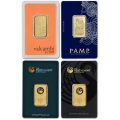
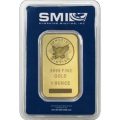
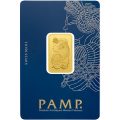
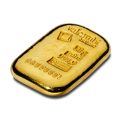
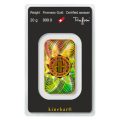
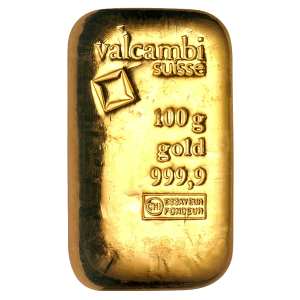
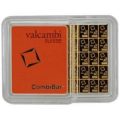
Compare Gold Bars Prices
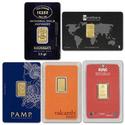
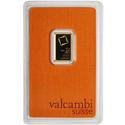
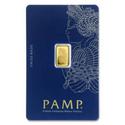
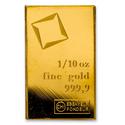
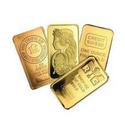
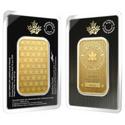
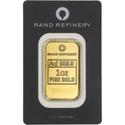
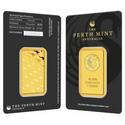
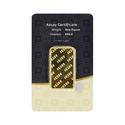
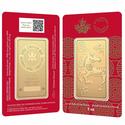
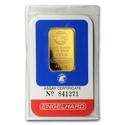
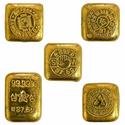
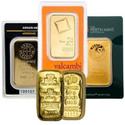
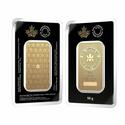
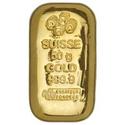
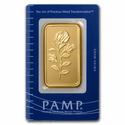
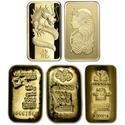
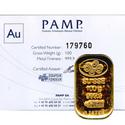

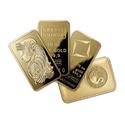
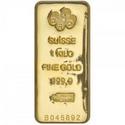
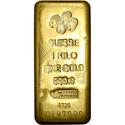
Gold Bar Sizes and What They Cost
Gold bars are manufactured in standard weights recognized globally by the LBMA (London Bullion Market Association). The table below shows approximate costs at each weight class based on a gold spot price near $4,300 per troy ounce, along with the typical dealer premiums you can expect to pay.
| Size | Gold Content (Melt Value) | Typical Bullion Retail Range | Premium Over Spot |
|---|---|---|---|
| 1 gram | ~$138 | $150 - $170 | 9-23% |
| 5 gram | ~$691 | $720 - $760 | 4-10% |
| 10 gram | ~$1,382 | $1,430 - $1,500 | 3-8% |
| 1 oz (31.1g) | ~$4,300 | $4,370 - $4,520 | 2-5% |
| 5 oz | ~$21,500 | $21,800 - $22,400 | 1-4% |
| 10 oz | ~$43,000 | $43,400 - $44,300 | 1-3% |
| 100 gram | ~$13,825 | $14,000 - $14,600 | 1-5% |
| 1 kilo (32.15 oz) | ~$138,250 | $139,200 - $141,000 | 1-2% |
The pattern is consistent: larger bars carry lower premiums per ounce of gold content. A 1 kilo bar is the most cost-efficient way to buy gold, but liquidating it means finding a buyer willing to put up $139,000+ in a single transaction. Most individual buyers settle on 1 oz gold bars or 10 oz gold bars as the balance point between premium efficiency and practical liquidity.
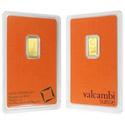
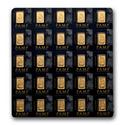
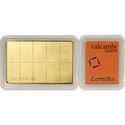
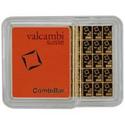
For buyers who want the flexibility to sell gold in smaller increments without paying gram-bar premiums upfront, divisible gold bars like the Valcambi CombiBar offer a middle path. A single 50-gram CombiBar can be snapped into fifty 1-gram pieces when needed.
For real-time pricing ranked by premium across every gold bar size, see the gold bars closest to spot page.
Cast Gold Bars vs Minted Gold Bars
Minted bars are cut from flat gold sheet and die-pressed with designs, serial numbers, and refinery marks. They ship in tamper-evident assay packaging that certifies weight and .9999 purity. Most bars under 10 oz are minted, and the sealed packaging makes them easy to authenticate and resell.
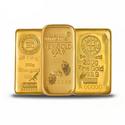
Cast bars (also called poured bars) are made by pouring molten gold directly into molds. The process produces a rougher, hand-finished appearance that some buyers prefer for its tactile quality. Cast bars are more common in 10 oz and kilo sizes. They sometimes carry slightly lower bullion premiums than minted bars of the same weight because they cost less to produce. Both types contain the same gold at the same purity. The choice comes down to aesthetics, packaging preferences, and whether a small premium difference matters at your purchase size.
Gold Bar Refineries
Not all gold bars carry the same resale liquidity. Bars from LBMA-accredited refineries are recognized by dealers and depositories worldwide and command tighter buyback spreads than bars from lesser-known mints. Here are the major refineries whose gold bars appear on this page.
PAMP Suisse
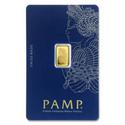
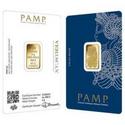
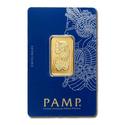
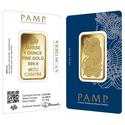
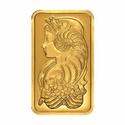
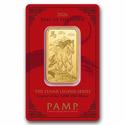
PAMP Suisse gold bars are produced in Ticino, Switzerland, and are among the most widely recognized gold bars in the world. The Lady Fortuna design is iconic in the bullion market. PAMP holds LBMA Good Delivery accreditation and produces bars from 1 gram through 1 kilo. The 1 oz bar is their most actively traded product. PAMP bars also appear in Costco's gold bar lineup, making them one of the few refinery brands with mainstream retail distribution.
Valcambi
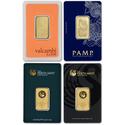
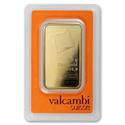
Valcambi operates in Balerna, Switzerland, and is best known for the Valcambi CombiBar, a gold bar scored into smaller gram-weight segments that can be broken apart by hand. This design gives buyers a single purchase with the option to sell in smaller increments later. Valcambi also produces standard gold bars from 1 gram to 1 kilo, all LBMA-accredited, and is one of the world's largest gold refiners by volume.
Sunshine Minting
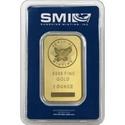
Sunshine Minting, based in Coeur d'Alene, Idaho, supplies gold blanks to the United States Mint for American Gold Eagle production. Their retail gold bars feature the proprietary MintMark SI anti-counterfeit technology, a security feature built into the bar's surface that can be verified with a decoder lens. Sunshine bars are known for competitive bullion pricing and high availability across dealers.
Asahi Refining
Asahi Refining, headquartered in Salt Lake City with operations in Tokyo, acquired Johnson Matthey's precious metals refining business in 2015. Johnson Matthey (JM) gold bars minted before the acquisition remain actively traded on the secondary market, often at modest premiums over standard bars due to collector interest. Current Asahi-branded bars carry the same refining standards under updated branding and are available in 1 oz, 10 oz, and kilo weights.
Royal Canadian Mint
The Royal Canadian Mint (RCM) produces government-backed gold bars with .9999 fine purity and individual serial numbers. As a sovereign mint, RCM bars carry a slight premium over private-mint equivalents because of the government purity guarantee. RCM bars are especially popular among buyers who value the same institutional trust that backs the Gold Maple Leaf coin.
Perth Mint
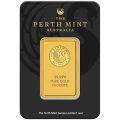
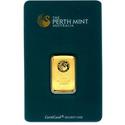
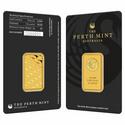
The Perth Mint, established in 1899, is one of the oldest continuously operating mints in the world. Their gold bars feature .9999 purity, a unique certificate system, and individual serial numbers. Perth Mint bars are backed by the government of Western Australia and are popular across both Australian and North American bullion markets.
Scottsdale Mint
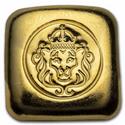
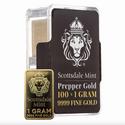
Scottsdale Mint, based in Scottsdale, Arizona, is known for cast gold bars with a hand-poured aesthetic and the chunky stackable format that sets them apart from standard minted bars. Their products emphasize responsible sourcing and distinctive designs. Scottsdale is a strong choice for buyers who want a different look from the typical sealed-in-assay minted bar.
Gold Bars vs Gold Coins
Gold bars and gold coins both contain investment-grade gold at .999 or .9999 purity, but they serve different purposes and carry different cost profiles.
Bars win on cost efficiency. Because bars require less production complexity than coins (no legal tender denomination, no intricate multi-step striking), they carry lower premiums per ounce. A 1 oz gold bar from PAMP or Valcambi typically runs 2-4% over spot, while a 1 oz American Gold Eagle or Gold Maple Leaf costs 4-7% over spot.
Coins win on liquidity and recognition. Government-minted coins carry legal tender status, a sovereign purity guarantee, and broader international acceptance. In peer-to-peer sales, at coin shops, and in foreign markets, a Gold Eagle or Krugerrand is recognized instantly. A bar from a lesser-known refinery may require additional verification.
For most buyers focused on maximizing gold per dollar spent, bars are the better choice. For buyers who prioritize portability, universal recognition, and the security of sovereign minting, gold coins fill that role. Many investors hold both: bars as the core of their gold position and coins for smaller, more liquid pieces.
How to Compare Gold Bar Bullion Prices
The retail bullion price of a gold bar has two components: the current gold spot price (set by global commodity markets and fluctuating throughout the trading day) and the dealer premium (the markup above spot that covers the refinery's production cost, the dealer's margin, shipping, and insurance). The spot price is the same everywhere. The premium is where comparison shopping saves money.
FindBullionPrices tracks gold bar bullion prices from online dealers across the United States. Each product listing on this page shows the lowest available price, which retailers currently have the product in stock, and the percentage premium over the current gold spot price. Sorting by premium puts the most cost-efficient options at the top. Prices update throughout the trading day as dealers adjust to spot price movements.
Two pages that complement this one: the gold closest to spot page ranks every gold product (bars, coins, and rounds) by premium so you can find the absolute cheapest gold available right now. The gold hub page provides a broader overview of all gold product categories.
Buying Gold Bars at Costco
Costco entered the gold bar market in late 2023 and quickly became one of the highest-volume retail gold sellers in the United States. They stock 1 oz gold bars from PAMP Suisse and other major refineries at bullion premiums that compete with established online dealers. The combination of Costco's purchase limits, Executive membership cash-back rewards, and Citi Visa card benefits can make their effective pricing among the lowest available for 1 oz bars.
For a full comparison of Costco's gold bar pricing against online bullion dealers, including the rewards math, see our Costco gold bar price comparison.
Frequently Asked Questions About Gold Bars
How much does a gold bar cost?
The cost depends on the bar's size and the dealer's premium over the gold spot price. At a spot price near $4,300 per ounce, a 1 oz gold bar typically costs $4,370 to $4,520 from online bullion dealers (a 2-5% premium). A 10 oz bar runs approximately $43,400 to $44,300. Smaller bars carry higher percentage premiums: a 1 gram gold bar costs $150 to $170 (9-23% over melt value) because the fixed production and handling costs represent a larger share of a smaller bar's total value.
Where can I buy gold bars?
Gold bars are available from online bullion dealers, local coin shops, and major retailers like Costco. Online dealers typically offer the widest product selection and lowest bullion premiums because they operate at higher volume with lower overhead. FindBullionPrices compares gold bar bullion prices from dealers across the United States so you can find the lowest price for any specific product without visiting each retailer's site individually.
What size gold bar should I buy?
The 1 oz gold bar is the most popular size among individual investors. It is large enough to carry a low premium (2-4% over spot) but small enough to sell without needing a buyer with $40,000 or more on hand. For larger purchases where minimizing the premium per ounce is the priority, 10 oz bars and kilo bars offer the lowest cost per ounce. For buyers who want flexibility, gram-weight bars and divisible gold bars like the Valcambi CombiBar allow you to sell in smaller increments.
Are gold bars a good investment?
Gold bars are one of the most cost-efficient ways to hold physical gold because they carry the lowest premiums over spot price of any gold format. Gold itself has historically served as a store of value and a hedge against inflation, currency devaluation, and financial instability. The primary trade-off is that gold does not generate income: no dividends, no interest, no yield. Its value depends entirely on the market price of gold at the time you sell. Buyers should weigh gold's role as a portfolio diversifier against the opportunity cost of holding an asset that does not compound.
Gold bars or gold coins: which is better?
Neither is universally better. Bars offer lower premiums per ounce of gold content, making them more cost-efficient for accumulating metal. Coins carry legal tender status, a government purity guarantee, and broader recognition in international and peer-to-peer markets. Many investors hold both: bars as the bulk of their gold position (minimizing premium cost) and coins for smaller, more portable, universally recognized pieces. See our gold coins page to compare coin bullion prices.
What does LBMA mean on a gold bar?
The London Bullion Market Association (LBMA) accredits gold refineries that meet strict standards for production quality, assaying accuracy, chain-of-custody documentation, and responsible sourcing. Bars from LBMA-accredited refineries (including PAMP, Valcambi, Argor-Heraeus, Perth Mint, Royal Canadian Mint, and others) are accepted at face value by dealers, depositories, and exchanges worldwide. Non-LBMA bars may trade at wider buyback spreads or require third-party assay verification before a dealer will purchase them.
How do I verify a gold bar is real?
Minted bars from major refineries ship in tamper-evident assay packaging with a certificate verifying weight and purity. Look for the refinery's name, the bar's weight, the purity (.999 or .9999), and a unique serial number. Several refineries include proprietary anti-counterfeit technology: Sunshine Minting uses the MintMark SI decoder, PAMP Suisse uses the Veriscan app, and Royal Canadian Mint bars include Bullion DNA micro-engraving. Buying from reputable bullion dealers (which this page helps you compare) is the most practical defense against counterfeits.
Gold bar bullion prices on this page are provided for informational and comparison purposes. FindBullionPrices is not a dealer and does not sell gold bars directly. Prices are sourced from third-party retailers and may change at any time. Always verify the final price, shipping costs, and dealer reputation before completing a purchase. This content does not constitute investment advice.
