Silver spot: $66.66/oz · Updated September 21, 2026 7:53 AM ET · Live silver spot chart
Walking Liberty Half Dollar Melt Value
Determining the current price of Walking Liberty Half Dollar is a straightforward process once you know the silver content, the weight, and the current market rate, often referred to as the spot price.
Coin Specs
| Series | Walking Liberty Half Dollar |
|---|---|
| Years | 1916-1947 |
| Composition | 90% silver |
| ASW | 0.3575 troy oz |
| Weight | 12.50 g |
| Diameter | 30.6 mm |
| Face value | $0.50 |
| Melt at current spot | $23.83 |
Key Dates & Mintage
Key dates / varieties: 1916-D is the top regular-issue key; many early dates exceed melt
Mintage note: Strong type demand; common later dates still trade near melt when worn.
Melt value is the silver floor. Numismatic premiums apply when rarity, grade, or variety demand exceeds bullion pricing — common circulated dates usually track melt most closely.
Dealer price vs melt
At today's silver spot, melt for a Walking Liberty Half Dollar is $23.83 (0.3575 oz ASW). Compare live dealer asks against that melt floor to see the current premium spread.
Walking Liberty Half Dollar Melt Value Melt Calculator
Walking Liberty Half Dollar Melt Value
The Walking Liberty Half Dollar is widely regarded as one of the most beautiful coins ever produced by the United States Mint. Designed by sculptor Adolph A. Weinman and minted from 1916 to 1947, the coin's graceful depiction of Liberty striding toward a rising sun has made it a lasting favorite among collectors and silver investors alike. Each Walking Liberty Half Dollar contains 0.36169 troy ounces of pure silver — the same silver content as the Franklin and Kennedy half dollars that followed it.
This guide covers silver content, melt value, mint history, key dates, and investment considerations for the Walking Liberty series.
Quick Facts About the Walking Liberty Half Dollar
| Specification | Details |
|---|---|
| Designer | Adolph A. Weinman |
| Minted Years | 1916–1947 |
| Silver Content | 90% silver, 10% copper |
| Actual Silver Weight (ASW) | 0.36169 troy ounces |
| Weight | 12.50 grams |
| Diameter | 30.61 mm |
| Edge | Reeded |
| Face Value | $0.50 |
| Melt Value | 0.36169 × Spot Price of Silver |
Design Overview
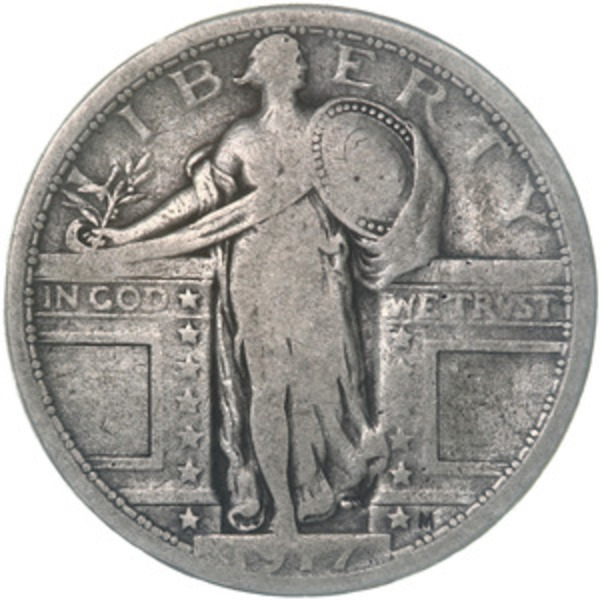
- Obverse: Lady Liberty in full stride, draped in the American flag, her right hand extended toward a rising sun. The design is widely cited as one of the finest in U.S. coinage history. Weinman's monogram "AW" appears at the base of Liberty's gown.
- Reverse: A proud bald eagle perched on a mountain pine branch, wings partially spread. The composition conveys strength and natural majesty — a sharp contrast to the more formal heraldic eagles on earlier coinage.
Where Were Walking Liberty Half Dollars Minted?
Mint mark location changed during the series:
- 1916–1917: Mint mark on the obverse, at the lower left of the design near Liberty's hand (Philadelphia issues have no mark)
- 1917–1947: Mint mark moved to the reverse, at the lower left below the branch
Three facilities produced Walking Liberty Half Dollars:
- Philadelphia (no mint mark)
- Denver ("D")
- San Francisco ("S")
The obverse mint mark on 1916-D and 1916-S coins is an important variety distinction that collectors actively seek.
Understanding Walking Liberty Half Dollar Melt Value
Each Walking Liberty Half Dollar contains 0.36169 troy ounces of pure silver. Calculate current melt value using the live spot price of silver:
Silver Melt Value = 0.36169 × Current Silver Spot Price
- Roll (20 coins): 7.234 troy oz silver
- $10 face value (20 coins): 7.234 troy oz silver
- $100 face value bag: 72.34 troy oz silver
Common circulated Walking Liberty halves from the 1940s trade near melt value and represent one of the most historically rich ways to accumulate 90% silver. Key dates and early-series issues carry premiums well above the melt floor.
Key Dates and Rare Walking Liberty Half Dollars
| Key Date / Variety | Notable Details |
|---|---|
| 1916-D (Obverse Mint Mark) | Mintage of only 1,014,400; rare with the obverse placement — one of the premier key dates in the series |
| 1921 | Low mintage (246,000); one of the scarcest Philadelphia issues in the entire series |
| 1921-D | Very low mintage (208,000); key date commanding significant premiums in all grades |
| 1938-D | Lowest mintage of the later series (491,600); most collectors consider this the key date for post-1920 Walking Liberty halves |
| 1916-S (Obverse Mint Mark) | First-year San Francisco issue with the obverse mint mark placement; scarcer than the 1916 Philadelphia issue |
Investment Potential of Walking Liberty Half Dollars
- Iconic Design Premium: The Weinman design carries genuine numismatic prestige — the same design was revived for the American Silver Eagle bullion coin in 1986 and remains in production today.
- Long Series, Many Entry Points: 32 years of production means common circulated coins are plentiful and affordable near melt value.
- Significant Key Date Range: Multiple low-mintage dates offer collector upside above the bullion floor for informed buyers.
- Silver Eagle Connection: The Walking Liberty reverse directly inspired the American Silver Eagle design, creating a natural collecting connection between the two series.
Final Thoughts
From 1916 to 1947, the Walking Liberty Half Dollar set the standard for American coin design — a reputation confirmed when its obverse was chosen as the template for the modern Silver Eagle. Whether purchased near melt as 90% silver or sought for key dates like the 1921 or 1938-D, Walking Liberty halves offer a compelling combination of beauty, history, and intrinsic value.
For current melt values based on live silver prices, use our silver coin melt value calculator. Consult a qualified numismatist before purchasing key-date specimens.
Related Articles
- Cashing Out When You Sell Coins
- Prepping with Silver
- Junk Silver: A Smart and Affordable Way to Invest in Physical Silver
Frequently Asked Questions
What is the melt value of a Walking Liberty Half Dollar today?
At a silver spot of $66.66/oz (updated September 21, 2026 7:53 AM ET), a Walking Liberty Half Dollar with 0.3575 troy oz ASW is worth about $23.83 at melt.
How is Walking Liberty Half Dollar melt value calculated?
Multiply the coin's actual silver weight (0.3575 troy oz) by the current silver spot price. That product is the melt floor before any numismatic premium.
When is a Walking Liberty Half Dollar worth more than melt?
Key dates, high grades, and scarce varieties can trade well above melt. Common circulated dates in the Walking Liberty Half Dollar series usually track silver content most closely.