How Much Is 1 gram of Gold Worth?
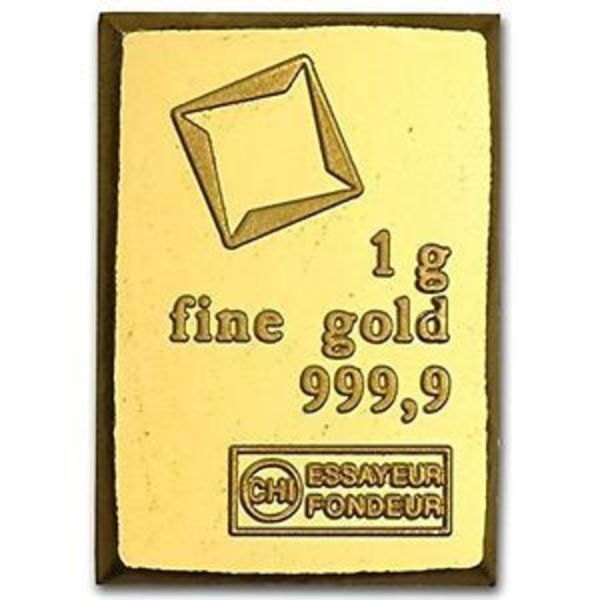
That's the melt value - what the raw gold content is worth based on the current spot price.
The actual price you'll pay for a 1 gram gold bar starts at $151.04 - a 7.57% premium ($10.63 over melt) from a tracked dealer.
What You'll Actually Pay for 1 gram of Gold
The melt value of 1 gram of gold is $140.41, but dealers add a premium above spot price to cover minting, distribution, and margin.
Right now, the lowest-priced 1 gram gold product tracked on FindBullionPrices is $151.04 - a $10.63 premium (7.57%) over melt. The average premium across tracked offers is 19.20%.
| Melt Value | $140.41 |
|---|---|
| Lowest Available Price | $151.04 (7.57% premium) |
| Average Dealer Price | $167.36 |
| You Save by Comparing | $16.32 |
Premiums on 1 gram gold vary by brand, condition, and whether the bar comes with an assay card. Generic bars from secondary-market sources carry lower premiums than branded bars from mints like PAMP or Valcambi. Buying in quantity often lowers the per-unit premium.
Compare the cheapest 1 gram gold prices across dealers, or browse all 1 gram gold products.
Gold 1 gram Premium Trends
Premiums on 1 gram gold are rising. The lowest available premium is 7.57% today, compared to -0.60% thirty days ago. Over the past twelve months, premiums have ranged from -0.73% to 22.00%.
At 7.57%, 1 gram gold premiums are in the middle of their 12-month range.
See full premium history for 1 gram gold, including monthly averages, 12-month highs and lows, and interactive charts.
Why Grams? The Entry Point for Gold Ownership
A gram of gold is the smallest standard bar weight sold by online dealers. At $140.41, it puts physical gold ownership within reach for most budgets. That low entry price comes at a cost: gram bars carry higher premiums per ounce of gold than any other bar size, because the fixed costs of refining, minting, and packaging are spread across a tiny amount of metal.
Gram bars are produced by nearly every major refiner -- PAMP, Valcambi, Istanbul Gold Refinery, and others. Most ship in sealed assay cards that verify weight and purity (999.9 fine). Secondary-market gram bars, which have been previously owned and may not include original packaging, trade at lower premiums than freshly minted bars.
The gram weight is popular with buyers who want to dollar-cost average into gold without committing to the price of a full ounce, and with gift givers who want something tangible. If you're buying grams primarily for the gold content rather than the presentation, secondary-market bars offer the best value. For larger purchases where you want to minimize premiums, the 2.5 gram and 5 gram weights bring per-ounce costs down.
How 1 gram Compares
| Weight | Melt Value | Premium |
|---|---|---|
| 0.5 gram | $70.23 | 37.00% premium |
| 1 gram | $140.41 | 7.57% |
| 2.5 grams | $351.09 | 3.93% premium |
1 gram Gold Bars and Coins You Can Buy
FindBullionPrices tracks 1 gram gold products across online dealers. Here are some of the most popular options:
-
1 gram Gold Bar - $151.04 (7.57% premium)
-
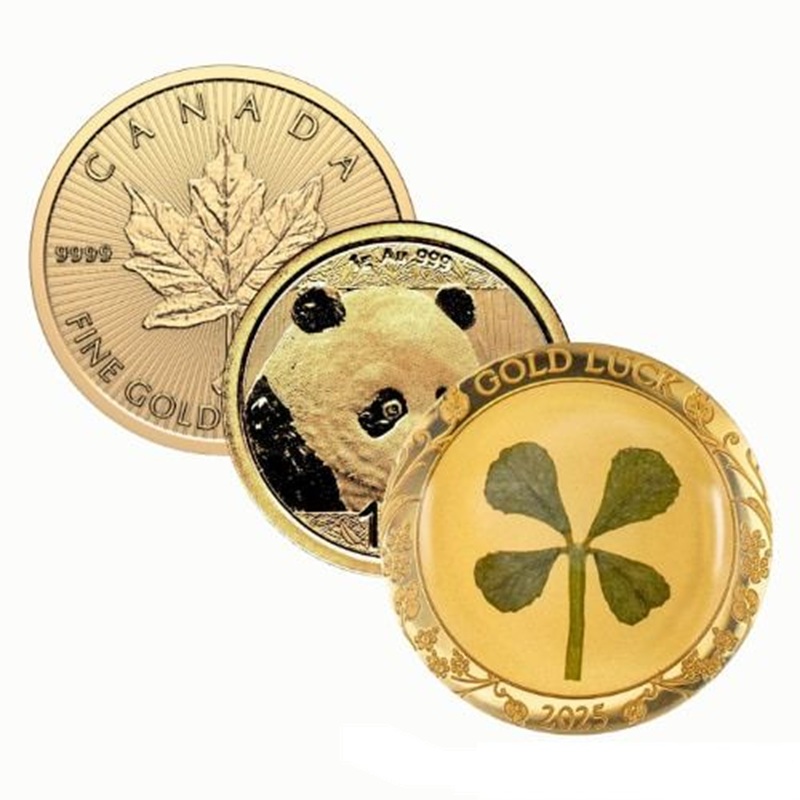 1 Gram Gold Coin (Random) - $179.42 (27.78% premium)
 -
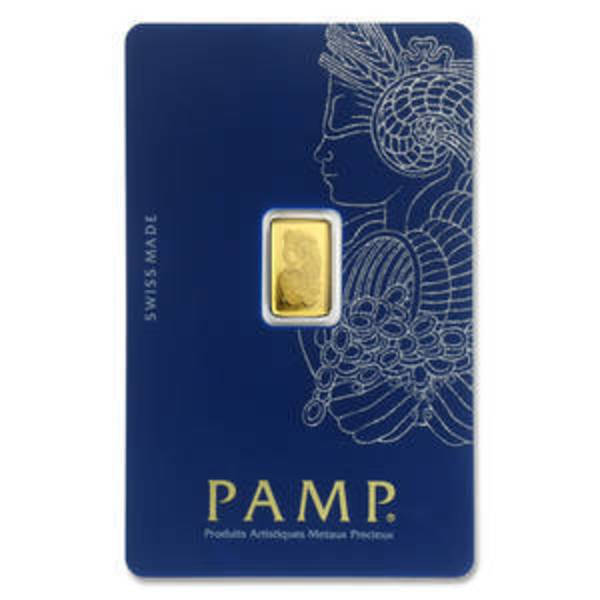 PAMP Suisse 1 gram Lady Fortuna Gold Bar - $164.05 (16.84% premium)
 -
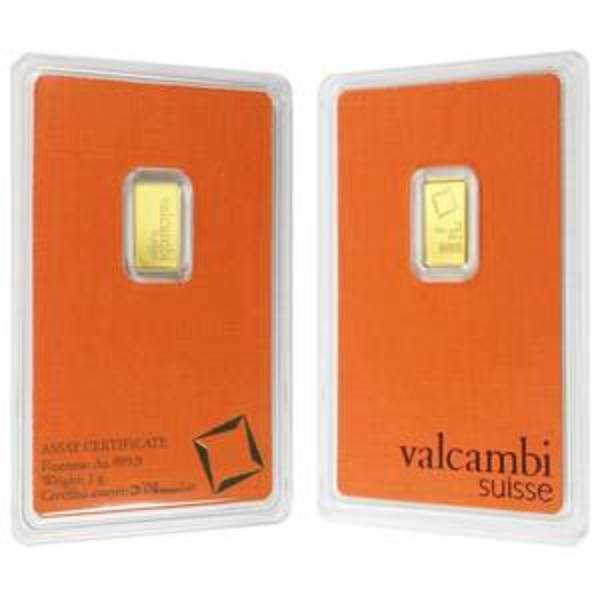 1 gram Valcambi Gold Bar - $156.82 (11.69% premium)
 -
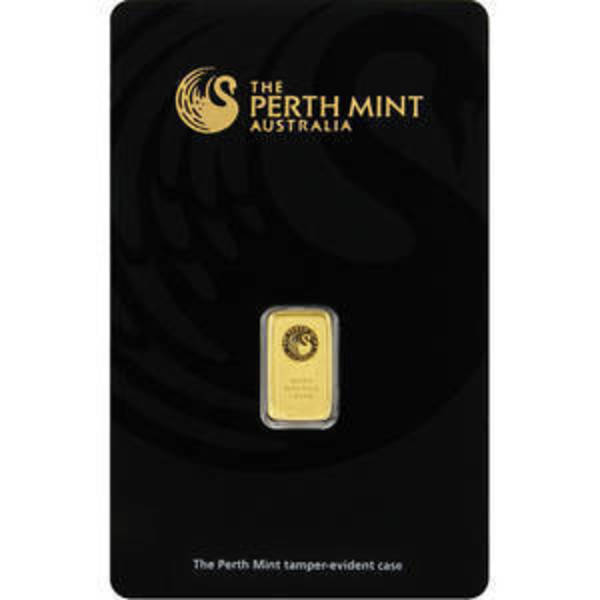 Perth Mint 1 gram Bar - $153.82 (9.55% premium)
See all 1 gram gold for sale or find the lowest premium option.
Selling 1 gram of Gold: What to Expect
If you own 1 gram of gold and want to sell, the melt value of $140.41 is your starting point - but dealers don't pay melt. A typical dealer offer for standard 1 gram gold bullion falls between 90% and 95% of spot, which today means roughly $126.37 to $133.39.
What affects your sell price:
- Brand recognition - bars from well-known mints (PAMP, Royal Canadian Mint, Perth Mint) often fetch slightly higher bids than generic bars.
- Condition and packaging - bars still sealed in original assay cards sell at the top of the range. Loose bars or bars with visible handling marks may sell closer to the low end.
- Quantity - selling multiple bars at once can improve the per-unit offer from some dealers.
Sell offers vary across dealers, so comparing is worth the effort. See where and how to sell your gold for a full breakdown of options, including local dealers, online buyers, and mail-in programs.
1 gram Gold Value: Common Questions
How much is 1 gram of gold worth in US dollars?
One gram of gold is worth $140.41 based on today's spot price of $4,367.30 per troy ounce. One gram equals 0.03215 troy ounces, so the melt value is the spot price multiplied by 0.03215.
Is buying gold by the gram a good idea?
Gram gold bars put physical gold within reach at a low entry price, but they carry higher premiums per ounce than larger bars. If your priority is accumulating gold at the lowest cost per ounce, larger weights like 5 grams or 10 grams offer better value. Grams work well for dollar-cost averaging or gifting.
What is the difference between a 1 gram gold bar and a 1 gram gold coin?
Both contain one gram of gold, but coins are produced by government mints and may carry legal tender face values (though the face value is far below the gold value). Bars are produced by private refiners. Coins typically carry higher premiums than bars of the same weight.
How many grams are in a troy ounce of gold?
One troy ounce equals 31.1035 grams. So a troy ounce of gold (worth $4,367.30) contains approximately 31 one-gram bars' worth of gold.
How much can I sell a 1 gram gold bar for?
Dealers typically pay 90%-95% of spot for standard gram gold bars, which today would be roughly $126.37 to $133.39. Branded bars in sealed assay cards from recognized refiners sell at the top of that range.
