The U.S. Mint released the 2026-W Proof American Gold Eagle on March 5, 2026 — four coins from 1/10 oz to 1 oz, each carrying a 1776–2026 dual date and a Liberty Bell “250” privy mark for the U.S. Semiquincentennial. The 1 oz coin launched at $6,100 with a 25,000-coin product limit. First-week sales hit 27,979 coins across all sizes, the strongest Proof Gold Eagle debut since 2023.
What makes the 2026-W different
The Gold Eagle proof has been struck annually at West Point since 1986. In nearly four decades, the series has carried exactly one privy mark — the repositioned “W” on the 2021 Type II transition coins. The 2026-W adds two firsts at once: the first dual date in Gold Eagle history, and only the second privy mark ever. Both features are one-year-only for the Semiquincentennial.
The same dual date and privy mark appear on the 2026-W Proof Gold Buffalo, released two months later on May 7. The two coins serve different markets — the Eagle is 22-karat gold in four sizes; the Buffalo is 24-karat in one size only. For a comparison of the two programs, see our Gold Eagle vs. Gold Buffalo guide.
Specifications
| Spec | Detail |
|---|---|
| Mint mark | West Point (W) |
| Product limit | 25,000 (1 oz) |
| Composition | 91.67% gold, 3% silver, 5.33% copper (22-karat); 1 troy oz gold content |
| Finish | Proof |
| Date | 1776 ~ 2026 (dual date) |
| Privy mark | Liberty Bell with “250” |
| Diameter | 32.70 mm |
| Face value | $50 |
| Issue price | $6,100 (March 5, 2026 launch; adjusts weekly) |
| Product code | 26EB |
| Designer | Obverse: Augustus Saint-Gaudens (1907); Reverse: Jennie Norris (2021) |
The three fractional sizes — 1/2 oz ($25 face, 18,500 cap), 1/4 oz ($10 face, 21,000 cap), and 1/10 oz ($5 face, 29,000 cap) — share the same composition, dual date, and privy mark. The four-coin proof set (26EF) is capped at 15,000 sets at $11,410.
Why proof Gold Eagles hold collector interest
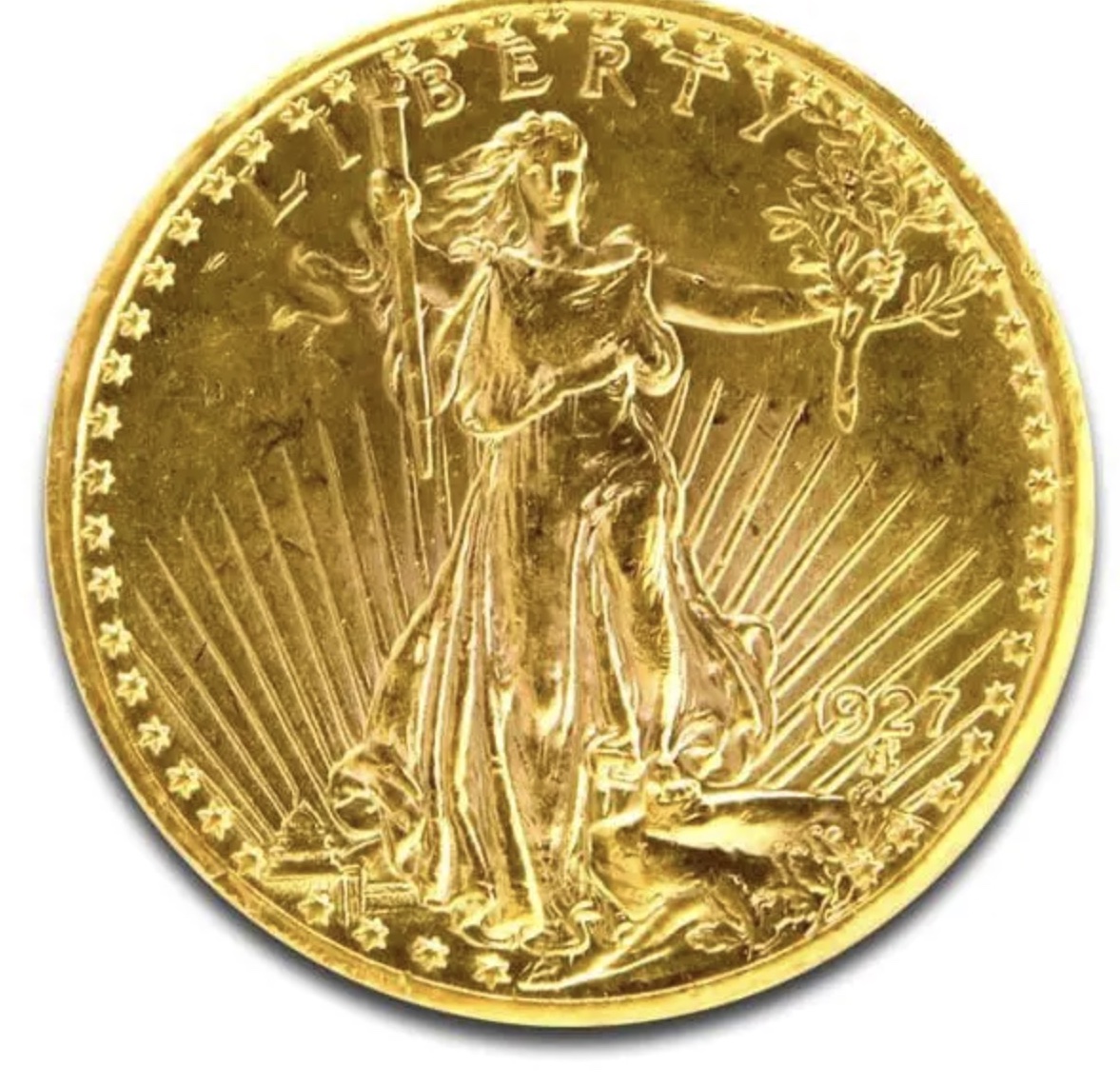
The Gold Eagle’s obverse reproduces Augustus Saint-Gaudens’ 1907 Standing Liberty from the $20 Double Eagle — a design widely considered the finest in American coinage. The proof finish, struck multiple times on polished planchets, reveals detail that bullion strikes don’t capture: hair strands, torch rays, the drape of Liberty’s gown in full mirror-over-frost contrast.
Beyond the finish, proof Gold Eagles carry hard mintage caps that bullion strikes don’t. That dynamic has produced genuine key dates over the series’ life. The 1995-W (available only in the 10th Anniversary set) is one of the most valuable modern U.S. coins. The 2020-W V75 — the only other privy-marked Gold Eagle, with just 1,945 minted — launched at $2,775 and trades above $8,000 in PR-70. The 2008 and 2009 proof Gold Eagles were never issued at all; the Mint suspended collector production entirely to meet bullion demand during the financial crisis.
The 2026-W’s 25,000 cap is larger than the V75’s 1,945, but the Semiquincentennial is a once-in-250-years event. Dual dating, a privy mark, and an anniversary year combined in a single issue — that hasn’t happened before in this series.
Buying considerations
As of mid-May 2026, all four sizes remain available at the U.S. Mint. Issue prices adjust weekly with the gold spot price. For collectors planning to hold, submitting to PCGS or NGC for a PR-70 DCAM grade with a First Day of Issue label makes sense — the Semiquincentennial designation adds label appeal on the secondary market. The 1 oz coin has the most liquidity; the four-coin set’s 15,000 cap is the tightest limit in the lineup.
Gold Eagle proofs are among the more commonly counterfeited modern U.S. coins. Buy from established dealers, and verify slab serial numbers against grading service databases for any secondary-market purchases.
For a broader look at proof and bullion options across all sovereign mints, see our government gold coins compared guide.
FAQ
What’s the difference between the proof and the bullion Gold Eagle? Same gold content, different product. The proof is struck at West Point on polished planchets with polished dies, comes in OGP with a Certificate of Authenticity, and has a defined product limit. The bullion version is sold through authorized dealers at prices closer to spot, without a collector finish.
Is it IRA-eligible? Gold Eagles are specifically named as IRA-eligible under 26 U.S.C. § 408(m)(3)(A) despite being 22-karat. Proof coins are typically held outside IRAs because the numismatic premium is irrelevant in an IRA context. Confirm with your custodian.
How does it compare to the 2026-W Proof Gold Buffalo? Both carry the dual date and Liberty Bell privy. The Eagle is 22-karat in four sizes (25,000 cap for 1 oz); the Buffalo is 24-karat in one size (15,000 cap). The 22-karat alloy is harder and more scratch-resistant — relevant for proof coins that may be displayed. The Buffalo’s .9999 purity appeals to investors focused on gold content per coin.
Related
- 2026-W Proof Gold Buffalo: First Dual Date, First Privy Mark, 15,000 Product Limit
- 2026 Gold Eagle Semiquincentennial: All Sizes & What to Expect
- American Gold Eagle vs. American Gold Buffalo
- American Gold Eagle Mintage History by Year
- Gold Coin Prices
Sources: U.S. Mint press release and product pages (26EB, 26EC, 26ED, 26EE, 26EF), CoinNews sales reports (March 5–10, 2026), PCGS CoinFacts.