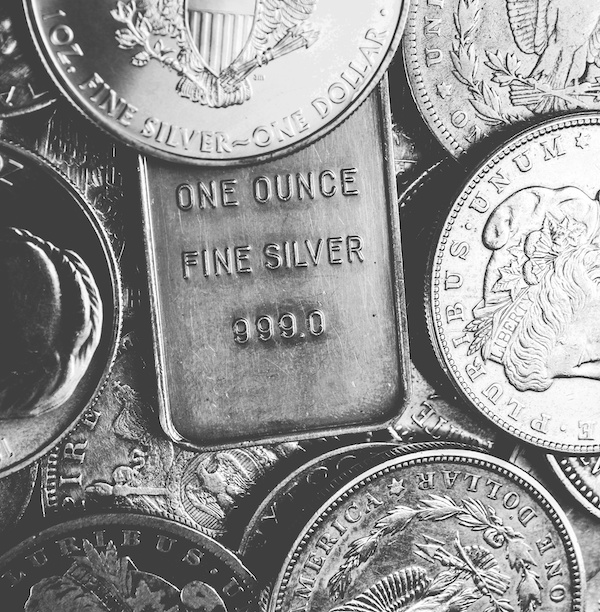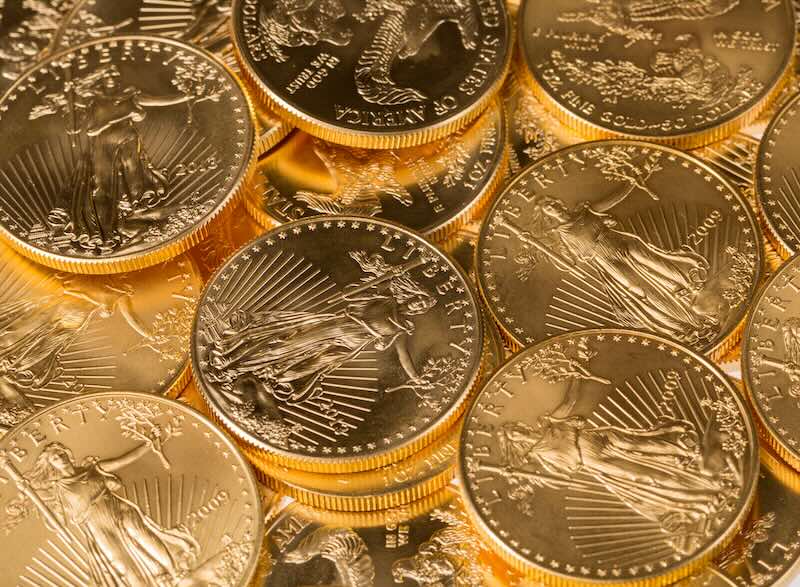
For investors focused on acquiring the most gold or silver per dollar spent, the premium over spot price is the single most important variable in any purchase decision. Two coins can contain identical amounts of gold, yet cost meaningfully different amounts depending on the mint, the dealer, the payment method, and market conditions. Understanding which products typically carry the lowest premiums — and how to find the best price on any given day — is the most practical skill a bullion buyer can develop.
This guide ranks the major sovereign gold and silver coins by their typical premium profiles and explains the factors that drive those differences.
What Determines the Premium?
The premium on a bullion coin is the difference between what you pay and the current spot price of the metal it contains. It covers the mint’s production cost, the dealer’s margin, shipping and insurance, and (if applicable) payment processing fees. Several factors cause premiums to vary between products:
Minting costs: Coins with complex designs, advanced security features, or multiple production steps (like the Canadian Maple Leaf’s micro-laser engraving) cost more to produce than simpler coins, and that cost is passed through to buyers.
Demand dynamics: Coins with strong domestic demand in large markets command higher premiums. The American Gold Eagle benefits from being the default choice for U.S. investors, which pushes its premiums above international competitors with equal or higher purity.
Collector appeal: Coins with annual design changes, like the Chinese Panda and Australian Kangaroo, carry collector premiums on top of their bullion value. This is a feature, not a bug — but it means cost-per-ounce buyers should look elsewhere.
Supply conditions: During periods of high demand or supply disruption, premiums on all products widen. But they don’t widen equally — the most popular coins (Eagles) tend to see the largest premium spikes, while less collector-driven coins (Philharmonics, Krugerrands) remain more stable.
Lowest-Premium Gold Coins (Typical Ranking)
The following ranking reflects typical premium positioning under normal market conditions. Actual premiums fluctuate daily, so always check current prices before purchasing.
| Rank | Coin | Typical Premium Range | Notes |
|---|---|---|---|
| 1 | Austrian Philharmonic | Lowest tier | .9999 fine, no collector premium, high mint efficiency |
| 2 | South African Krugerrand | Low tier | Huge global supply, .9167 fine (still 1 oz gold) |
| 3 | Canadian Maple Leaf | Low-moderate | .9999 fine + security features justify slight premium |
| 4 | British Britannia | Low-moderate | .9999 fine + advanced security features |
| 5 | Australian Kangaroo | Moderate | Annual design adds slight collector component |
| 6 | American Gold Eagle | Moderate-high | Strong U.S. demand pushes premiums above international coins |
| 7 | American Gold Buffalo | Higher | .9999 fine U.S. coin, smaller production runs |
| 8 | Chinese Gold Panda | Highest | Annual design + collector demand + 30g (not 1 oz) |
The Philharmonic and Krugerrand consistently occupy the lowest premium positions because they lack collector-driven demand, have efficient production, and benefit from large circulating supplies. For investors who view gold purely as a metal holding, these two coins typically offer the best value among sovereign options.
Lowest-Premium Silver Coins
The silver market follows a broadly similar pattern, though the premium gap between coins tends to be somewhat wider in percentage terms (since the base metal price is much lower):
| Rank | Coin | Typical Premium Range | Notes |
|---|---|---|---|
| 1 | Silver Philharmonic | Lowest tier | Consistently among the cheapest sovereign silver |
| 2 | Silver Britannia | Low tier | Strong security features at competitive pricing |
| 3 | Silver Krugerrand | Low-moderate | Newer addition, growing supply |
| 4 | Silver Maple Leaf | Low-moderate | .9999 fine + MintShield technology |
| 5 | American Silver Eagle | Moderate-high | Strongest U.S. demand; premiums can spike significantly |
| 6 | Silver Kangaroo | Moderate | Annual design, Perth Mint quality |
| 7 | Silver Panda | Highest | Annual design + collector demand + 30g weight |
For a detailed comparison of each of these silver coins, see our 2026 silver bullion buyer’s guide.
How to Find the Best Price
Knowing which coins typically carry the lowest premiums is useful as a general framework, but the actual best deal on any given day requires comparing live prices across dealers. Premium rankings can shift based on dealer inventory, promotional pricing, and market conditions.
A few practical strategies for minimizing your cost per ounce:
Compare across dealers: The same coin can carry meaningfully different premiums at different dealers on the same day. FindBullionPrices tracks pricing across 35+ online dealers, making it straightforward to identify the best current deal. Check the closest-to-spot gold prices here or closest-to-spot silver coins here.
Buy in quantity: Purchasing coins in tubes (typically 10–25 coins) or monster boxes (500 coins for silver) almost always reduces the per-unit premium compared to buying singles.
Pay by check or wire: Most dealers offer lower prices for non-credit-card payment methods. The savings — typically 2–4% — can exceed the premium difference between coin types. For more on this topic, see our article on how payment methods affect gold and silver premiums.
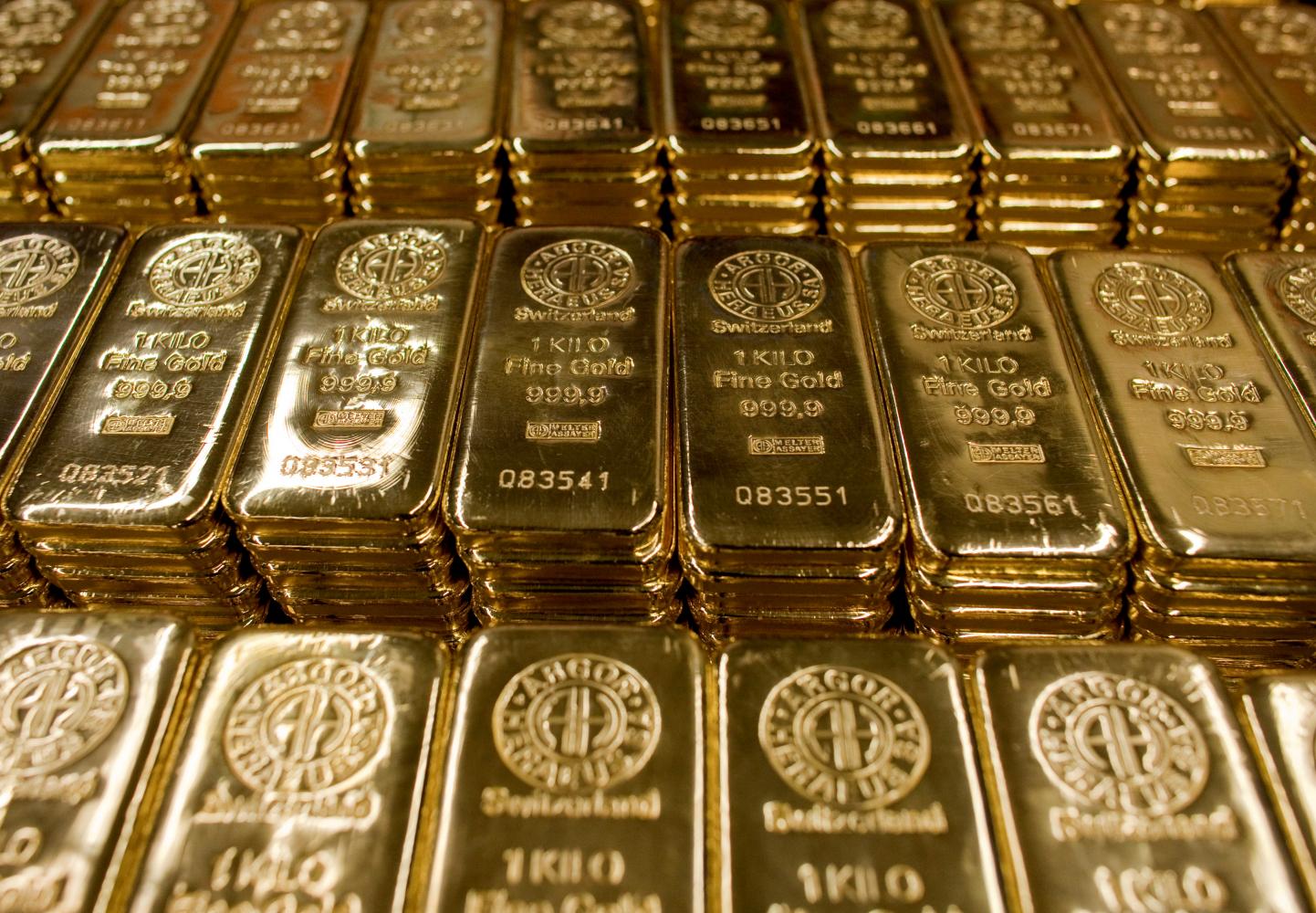
Consider bars for larger positions: If you’re acquiring 5+ ounces at once, gold bars typically carry lower premiums than coins of equivalent size.
Don’t chase the absolute lowest premium at the expense of everything else: A coin that saves you $5 per ounce on the buy but costs you $20 per ounce on the sell (due to lower recognition or liquidity) is a false economy. The Philharmonic, Krugerrand, Maple Leaf, and Britannia all offer the combination of low premiums and strong resale markets.
Compare Prices Now
Find the lowest-premium gold products available today →
Find the lowest-premium silver coins available today →
This article is for informational purposes only and does not constitute financial or investment advice. Precious metals carry market risk, and past performance does not guarantee future results. Premiums quoted are typical ranges and will vary by dealer and market conditions. Always conduct your own research and consult with a qualified financial advisor before making investment decisions.