The question every silver buyer eventually asks is whether it is possible to buy silver below the spot price. The short answer: rarely, and never at scale. Spot price is the per-ounce price of silver on the commodities exchange, and every dealer who sources metal from the wholesale market pays at or above that price. Adding fabrication, shipping, insurance, and the dealer’s margin means the price you pay will almost always include a premium over spot.
But “below spot” and “close to spot” are different things. There are legitimate ways to buy silver at extremely thin premiums — sometimes effectively at spot or even slightly below it after accounting for rebates or special offers. There are also scams that promise below-spot silver and deliver nothing. Here is how to tell them apart.
Dealer “Silver at Spot” Deals
Several online bullion dealers offer a one-time deal where new customers can buy a small quantity of silver at or very near the spot price. These are loss leaders — the dealer takes a small loss on the metal in exchange for acquiring a new customer who will (they hope) come back and buy at normal premiums later.
The typical structure is one of these:
- Buy up to 10 oz of silver at spot price on your first order
- Get a free silver round or bar with a qualifying first purchase
- Pay spot price on a specific “starter pack” product
The fine print matters. Most of these deals are limited to one per household, require a minimum purchase, and some are only available when paying by check or wire. The product selection is usually limited to generic rounds or bars, not government-issued coins like Silver Eagles.
These are legitimate offers from real dealers. You can compare current silver at spot deals from multiple dealers on our silver at spot deals page, which tracks which offers are active and what the terms are.
Junk Silver Below Melt Value
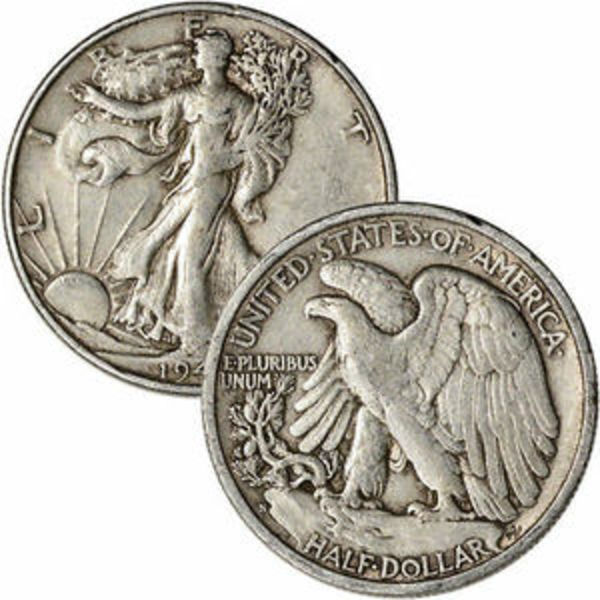
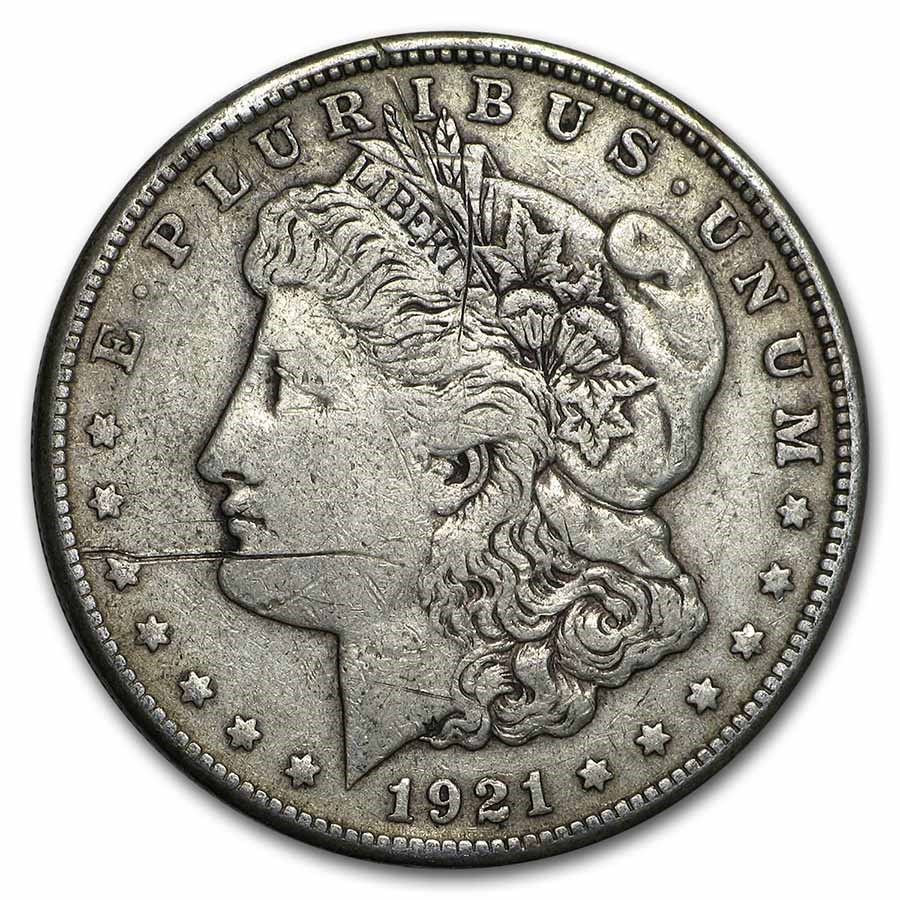
Pre-1965 US silver coins — commonly called “junk silver” — sometimes trade at or below their silver melt value. This happens when demand for constitutional silver is low, or when a seller needs to liquidate quickly and is willing to take a discount.
A standard $1 face value bag of pre-1965 quarters or dimes contains 0.715 troy ounces of silver. When the premium on junk silver is at or below zero (meaning the price is at or below the melt value of the silver content), you are effectively buying silver at or below spot.
This does not happen every day, but it does happen. Junk silver premiums tend to compress when silver prices spike quickly, because retail demand shifts to generic rounds and bars, and junk silver sellers compete on price to move inventory. It also happens at local coin shows where sellers who bought at lower prices are willing to let bags go at melt to avoid carrying them home.
For a deeper look at constitutional silver, see our junk silver buying guide.
Cash-Back Credit Card Math
You cannot literally buy silver below spot with a credit card. But you can bring the effective cost close to spot — and in some cases below it — by combining a low-premium product with a high cash-back credit card.
Here is how the math works. Say you buy 10 oz of silver from a dealer at $1.00 over spot per ounce. On a $633.10 purchase (10 oz at today’s spot), the total premium is $10. If your credit card earns 2% cash back, and the dealer charges a 3% credit card surcharge, the numbers look like this:
- Silver cost at spot: $633.10
- Dealer premium: $10.00
- Credit card surcharge (3%): approximately $18.99 on the base
- Total paid: base + premium + surcharge
- Cash back earned (2% of total): partially offsets the surcharge
On small orders, the cash-back reward can offset a meaningful portion of the premium. On some dealer new-customer deals that are already priced at spot, a 2% cash-back card on top of a spot-price deal can push your effective cost slightly below spot.
This strategy works best when you are already buying silver you want and using a card you already have. Opening a new credit card solely to shave $5 off a silver purchase is not worth the credit inquiry.
For more on how payment methods affect bullion pricing, see our guide on why bullion dealers charge different prices for cash and credit cards.
Secondary Market and Private Sales
Buying silver from another individual — at a coin show, on a forum, or through a local meetup — can sometimes get you silver at or below the premiums dealers charge. Private sellers do not have the overhead of a dealer website, warehouse, or merchant processing, so they can afford to sell at thinner margins.
The tradeoff is risk. When you buy from a private seller, you have no return policy, no chargeback rights, and no guarantee that what you are buying is authentic. Counterfeit silver exists, and private sales are where it most often surfaces.
If you buy privately, verify the metal before paying. Weight and dimensions are a starting point. A Sigma Metalytics tester or a rare earth magnet slide test can catch common fakes. For more on verification methods, see our guide on how to test gold and silver.
For buyers who prefer the safety of a marketplace platform, eBay’s Authenticity Guarantee program covers certain bullion purchases. Items in eligible categories are shipped to an authenticator before reaching you. This adds handling time but removes some of the counterfeiting risk. See our guide on how to spot counterfeit bullion on eBay for more on buying safely on marketplace platforms.
When “Below Spot” Is a Red Flag
If someone is advertising silver significantly below spot price with no quantity limit and no new-customer restriction, something is wrong. Dealers cannot sell metal below their cost and stay in business. Here are the common scenarios:
- Counterfeit product. Fake silver rounds and bars exist. They are typically made from copper, zinc, or tungsten and plated with silver. If the price seems too good, the metal probably is too.
- Bait and switch. Some dealers advertise below-spot prices to get you on the phone, then steer you toward a much more expensive “premium” product. This is a classic precious metals sales tactic and a major red flag.
- Ponzi or advance-fee scheme. You send money for below-spot silver. The silver never arrives. The “dealer” uses new buyers’ money to refund earlier complaints, until the whole thing collapses. If a company is consistently failing to deliver orders on time, that is a warning sign — see our reporting on dealer delivery failures.
- Social media scams. Instagram, Facebook, and Reddit all have accounts advertising silver “below spot” or “wholesale.” Almost all of these are scams. No legitimate dealer sells below cost to anonymous social media followers.
The rule of thumb: if the deal does not have a clear explanation for why the seller is willing to lose money (new-customer acquisition, estate liquidation, private seller with a specific reason), it is probably not real.
The Most Reliable Way to Pay Less
For most buyers, the most effective way to minimize what you pay per ounce of silver is not chasing below-spot deals. It is comparing premiums across dealers on the products you actually want. The difference between the cheapest dealer and the most expensive dealer on the same product on the same day can be $2 to $5 per ounce or more. Over 100 ounces, that is $200 to $500 — far more than any single below-spot promotion will save you.
Use our silver price comparison tool to see which dealers are currently offering the lowest premiums on silver coins, bars, and rounds. Pay by check or ACH if you want the lowest posted price, or use a cash-back credit card if the rewards offset the credit card surcharge on your order size.
Buying silver is a long game. The ounces you accumulate at 3% over spot today will look just as good as the ones you bought at spot — especially if silver is $30 higher per ounce when you eventually sell.
Related
- Current Silver at Spot Price Deals
- The Cheapest Way to Buy Silver Bullion
- Junk Silver Buying Guide
- Bullion Scams: Dealer Red Flags
- Compare Silver Bullion Retail Prices
- How to Test Gold and Silver
- Why Dealers Charge Different Prices for Cash and Credit Cards
FindBullionPrices.com is a price comparison platform and does not sell bullion directly. Silver bullion spot prices, dealer premiums, and product availability are subject to change. Below-spot offers should be verified with the dealer before purchasing. Always conduct your own research before making purchasing decisions.