The gold-to-silver ratio tells you how many ounces of silver it takes to buy one ounce of gold. Divide the gold price by the silver price and you have it.
In early May 2026, the ratio compressed from 62 to below 55 in a single week — silver surged over 7% on a US-China tariff truce while gold barely moved. That kind of move is unusual but not unprecedented. In January, when silver briefly topped $100 per ounce, the ratio dipped below 50 for the first time since 2012. Silver then corrected back below $80, the ratio expanded to the low 60s, and now it’s compressing again.
The pattern matters more than any single reading: since early 2024, when the ratio sat near 88, silver has been steadily gaining ground on gold. The question is whether that trend has room to continue.
Track the live ratio on our gold-to-silver ratio chart.
Historical Ranges
Over the past 50 years, the ratio has typically moved between 40 and 80. Extremes in either direction tend to revert.
| Period | Ratio | What Followed |
|---|---|---|
| March 2020 (COVID) | ~125 | Silver rallied from ~$12 to $29 in five months; ratio compressed to mid-60s by August |
| Early 2024 | ~88 | Silver began outperforming gold; ratio fell through 2025 into 2026 |
| April 2011 | ~32 | Silver had surged to $49/oz; ratio sat near multi-decade lows |
| 2008 financial crisis | ~80+ | Gold led as safe haven; silver lagged on industrial demand fears |
| 50-year average | ~60 | The center of gravity the ratio tends to revert toward |
Above 80, silver has historically been cheap relative to gold. Below 40, silver has historically been expensive. At 55, we’re below the long-term average — silver has already reclaimed significant ground from its 2024 lows.
Why the Ratio Is Compressing Now
Two catalysts hit silver simultaneously in May 2026, and they reinforced each other.
Trade policy. The US and China announced a 90-day tariff reduction on May 10–11 — US tariffs on Chinese goods dropped from 145% to 30%, Chinese tariffs on US goods from 125% to 10%. Gold shrugged. Silver jumped. The reason is silver’s industrial demand profile: roughly 60% of annual silver consumption goes to industrial applications — photovoltaics, EV components, semiconductors, AI data center buildout. Much of that manufacturing supply chain runs through China. When tariffs came down, traders repriced silver’s demand outlook immediately.
Persistent supply deficits. The Silver Institute projects the silver market will post its sixth consecutive annual supply deficit in 2026, at 67 million ounces. Since 2021, roughly 762 million troy ounces have been drawn from above-ground inventories. Mine production is edging higher — forecast at 820 million ounces for 2026 — but it hasn’t kept pace with demand. That structural tightness doesn’t disappear between headlines. It’s the reason silver moves as aggressively as it does when a catalyst appears.
How Investors Use the Ratio
Relative value. The most straightforward use: when the ratio is historically high, silver looks undervalued relative to gold. An investor looking to add precious metals at a ratio of 88 (early 2024) would have found a stronger case for silver than gold. At 55, that case has narrowed.
Metal rotation. Some long-term holders swap between gold and silver based on the ratio to accumulate more total ounces over time. Sell gold when the ratio is high, buy silver with the proceeds, reverse when the ratio compresses. An investor who traded one ounce of gold into silver at 88 and reversed at 55 would hold 1.6 ounces of gold — a 60% increase without adding new capital. This works over multi-year cycles, not as a short-term trade. The ratio can stay elevated for years before reverting.
Allocation decisions. Investors who plan to buy either metal use the ratio as one input: “Should I add silver bars or gold coins this month?” The ratio doesn’t answer the question on its own, but it provides context that spot price alone doesn’t.
What Drives the Ratio
The ratio responds to specific conditions, and understanding them helps interpret what a given reading actually means.
In risk-off environments — market panics, financial crises — gold attracts safe-haven demand while silver’s industrial component holds it back. That’s why the ratio spiked to 125 during COVID. Gold surged on fear. Silver sold off alongside industrial commodities.
In periods of industrial expansion, the dynamic inverts. Silver gets both monetary demand (as a precious metal) and industrial demand (as a manufacturing input). Gold doesn’t share that industrial bid. When manufacturing picks up, silver tends to outperform — and the ratio falls.
Supply matters more for silver than gold. Nearly all the gold ever mined still exists; it gets recycled, not consumed. Silver is different. According to the Silver Institute, industrial fabrication runs around 650 million ounces annually, and much of that silver ends up permanently embedded in solar cells, electronics, and medical devices. When supply deficits persist for six consecutive years, the available above-ground stock shrinks, and the ratio faces sustained pressure.
Right now, both conditions are present. Monetary demand supports gold — central banks have been buying over 1,000 tonnes annually and the dollar is weakening. Industrial demand supports silver — AI infrastructure, solar deployment, and EV production all consume silver. When both forces align, silver tends to move faster than gold, and the ratio compresses.
What the Ratio Means for Specific Products
Silver Eagles and silver bars. The most direct way to express the view that silver will continue gaining ground on gold. At today’s ratio, each ounce of silver bought captures both spot price upside and any further ratio compression.
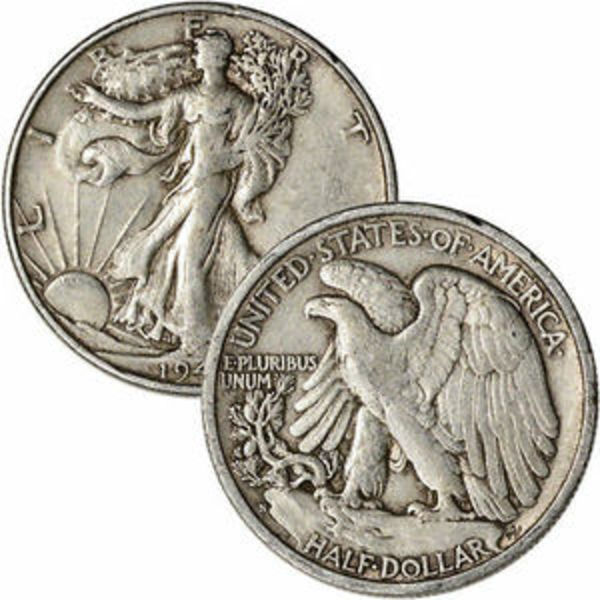
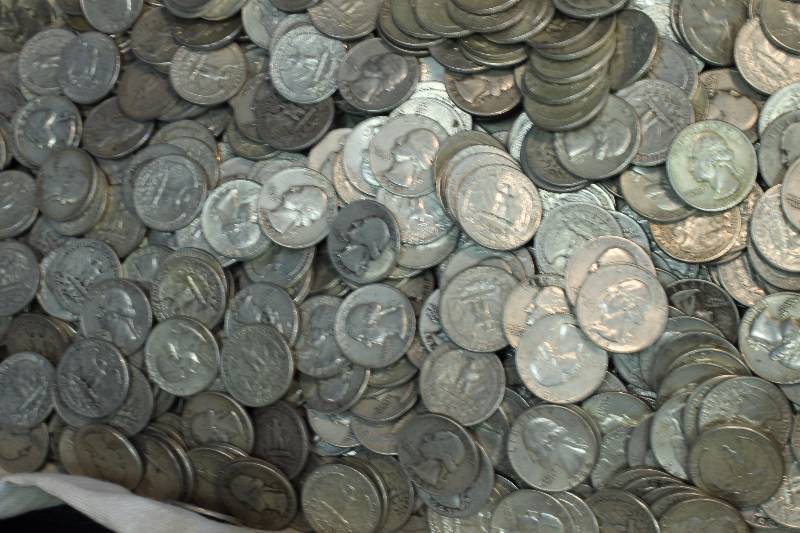
90% silver coins. Pre-1965 dimes, quarters, and half dollars trade on silver content. Due to refinery backlogs, some dealers have frequent offers for junk silver at spot price or below.
Gold Eagles, Buffalos, and gold bars. A falling ratio doesn’t mean gold is overvalued — it means silver has been catching up. Gold remains a core holding. The ratio just helps decide whether to add gold or silver at the margin.
What Could Go Wrong
The ratio is a useful framework, not a crystal ball. A few things to keep in mind:
A 90-day tariff truce is not a trade deal. If US-China negotiations fall apart, silver’s industrial demand catalyst fades and the ratio can re-expand quickly. The supply deficit is structural, but the trade catalyst is fragile.
Silver is more volatile than gold in both directions. The same dynamic that produces 7% rallies also produces 7% declines. Silver tends to overshoot — both up and down.
The ratio can stay at extreme levels for extended periods. It spent most of 2019–2020 above 80 and sat above 100 for months during COVID. Mean reversion is a pattern, not a promise.
Keep an Eye on This Number
The gold-to-silver ratio won’t tell you what to buy or when to buy it. What it does is show you where silver and gold stand relative to each other against decades of historical context. At 55, after compressing from 88 in two years, the ratio says silver has already made a significant move — and whether that move continues or pauses depends on the same forces that drove it: trade policy, industrial demand, and whether the supply deficit keeps tightening the physical market.
Track live gold and silver prices on our spot price pages, compare dealer premiums across silver and gold products, and use our silver coin melt value calculator to see how price changes affect the coins you hold.
Frequently Asked Questions
What is the gold-to-silver ratio right now? $4,573.70 ÷ $78.44 = [gold-silver-ratio]. This updates with live spot prices.
What is a “normal” gold-to-silver ratio? The 50-year average is approximately 60, with a typical range of 40 to 80. Below 40, silver is historically expensive relative to gold. Above 80, silver is historically cheap.
Does the ratio predict silver prices? No. The ratio measures relative value between the two metals, not direction. Both metals can rise while the ratio falls (silver rising faster than gold), and both can fall while the ratio rises (silver falling faster).
Related Guides
- Silver Spot Price — Live
- Gold Spot Price — Live
- Best Silver Prices — Compare silver deals across dealers
- Best Gold Prices — Compare gold deals across dealers
- Buy Silver Bars
- Could Silver Rise to $100, again?
- Silver Bars vs. Coins
Last Updated: May 2026. The gold-to-silver ratio changes continuously with market prices. This guide is for informational purposes only and does not constitute investment advice.