Walk into any coin show or scroll through any precious metals forum and you’ll find two camps: collectors and stackers. Collectors chase dates, mint marks, and condition. Stackers chase ounces. The collector lights up over a coin’s history; the stacker lights up over its price per ounce relative to spot.
The distinction is real, but the line between them is blurrier than most people think — and the smartest precious metals buyers tend to have a foot in both worlds. Here’s how coin collecting and bullion stacking actually differ, where they overlap, and why combining the two can build a more resilient portfolio.
What Is Coin Stacking?
Stacking — sometimes called bullion stacking or silver stacking — means accumulating physical precious metals primarily for their metal content. The goal is straightforward: acquire as many ounces as possible at the lowest premium over spot price.
A stacker’s buying decisions revolve around a simple calculation: how much gold or silver am I getting per dollar spent? That means gravitating toward products with the tightest spreads — generic silver rounds, secondary-market bars, or government-minted bullion coins bought at competitive premiums. A stacker buying silver isn’t particularly concerned whether the round features a buffalo design or an eagle — what matters is the weight, purity, and price.
Stackers typically think in ounces rather than individual coins. A common strategy is dollar-cost averaging: buying a set dollar amount of metal each month regardless of price, smoothing out the volatility that comes with any commodity. The idea is that over time, consistent accumulation at varying prices builds a meaningful position without requiring anyone to time the market.
What Stackers Typically Buy
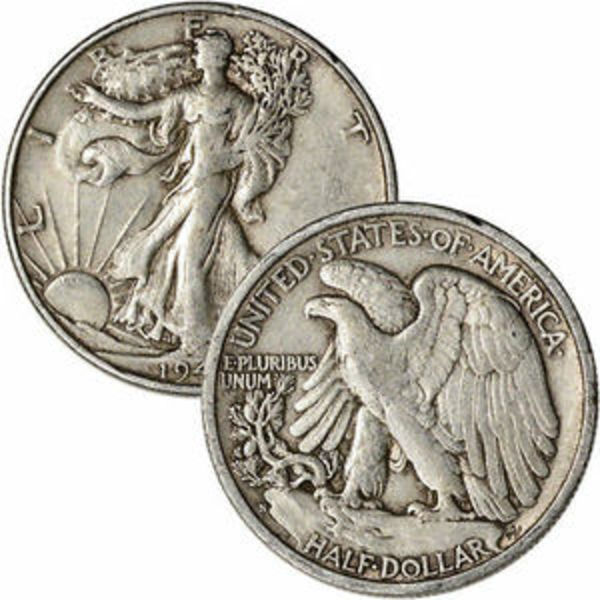
The stacking world has its staples. On the silver side, the most popular products include American Silver Eagles, secondary-market silver rounds and bars, and constitutional “junk” silver — pre-1965 US dimes, quarters, and half dollars that contain 90% silver.
For gold stackers, popular choices include American Gold Eagles and Gold Buffalos, along with fractional gold coins like 1/10 oz options for those building positions gradually. International sovereign coins — Canadian Maple Leafs, South African Krugerrands, Austrian Philharmonics — also show up regularly in stacks because they’re competitively priced and universally recognized.
The common thread: stackers optimize for metal weight per dollar.
What Is Coin Collecting?
Coin collecting — numismatics — is driven by a different set of motivations. Collectors acquire coins for their rarity, historical significance, artistic merit, or the satisfaction of completing a set. The metal content matters, but it’s rarely the primary consideration.
A collector hunting for an 1884-CC Morgan silver dollar isn’t thinking about its 0.77 troy ounces of silver. They’re thinking about its mintage, its survival rate, and how a VF-25 example compares to the one in their set. The coin’s story — where it was minted, when it circulated, what it survived — is inseparable from its value.
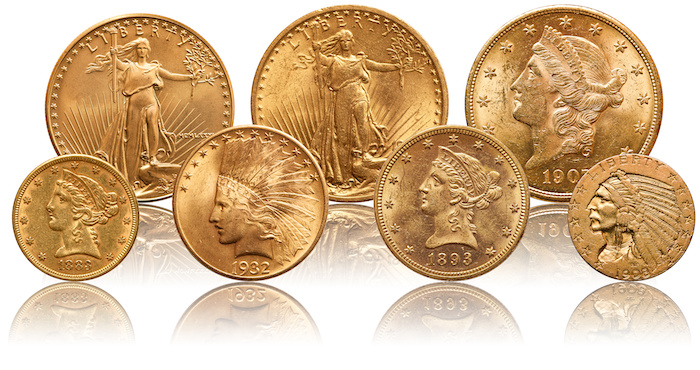
Collectors tend to focus on condition and certification. Third-party grading from services like NGC and PCGS provides a standardized assessment that both buyer and seller can trust, and the difference between adjacent grades can mean hundreds or thousands of dollars. A collector building a pre 33 gold coin type set might spend months waiting for the right coin at the right grade rather than simply buying the cheapest example available.
What Collectors Typically Buy
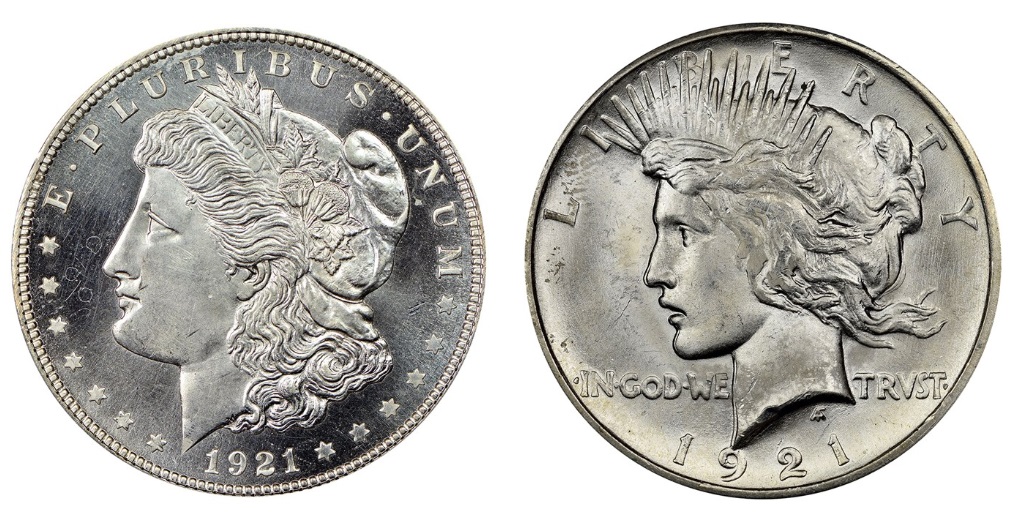
Numismatic interests vary widely, but common collecting areas include pre 33 US gold coins (Liberty and Saint-Gaudens Double Eagles, Eagles, Half Eagles, and Quarter Eagles), Morgan silver dollars with their rich date-and-mintmark variety, graded modern coins (proof and special-issue Silver Eagles, commemoratives), and world gold coins with historical significance — 20 Francs, British Sovereigns, and similar series.
What these have in common isn’t metal weight — it’s the numismatic premium. Collectors pay above melt value for the coin’s rarity, condition, and story.
The Real Differences
Understanding where these two approaches diverge helps clarify which habits and decisions belong to each:
What drives the purchase. A stacker asks: “What’s the premium per ounce?” A collector asks: “What’s the coin’s grade, rarity, and provenance?” Both are valid frameworks — they just optimize for different things.
How value is measured. Stacking value tracks spot price almost directly. If silver moves from $30 to $35, a stacker’s 100-ounce position appreciates accordingly. Numismatic value is more complex — it’s influenced by collector demand, population reports, auction results, and market cycles that don’t always correlate with metal prices. A key-date coin can appreciate while spot prices decline, or vice versa.
Liquidity and exit strategy. Generic bullion is highly liquid. Any dealer, any pawn shop, any online buyer knows what a 1 oz silver round is worth. Numismatic coins require a more knowledgeable buyer — someone who understands why an MS-65 is worth more than an MS-62 and is willing to pay the difference. That said, well-known series like Saint-Gaudens Double Eagles and Morgan dollars have robust secondary markets, so liquidity isn’t necessarily a problem — it just requires finding the right buyer.
Premium behavior. Bullion premiums compress and expand with market conditions. During periods of heavy demand (think early 2020 or the silver squeeze of 2021), premiums on Silver Eagles and generic rounds spiked dramatically, with some dealers carrying $20+ premiums per coin for bullion. Numismatic premiums operate on a different cycle — they’re more influenced by collector sentiment, major auction results, and the availability of specific coins in specific grades.
Where They Overlap: Coins That Do Both
Here’s where things get interesting. Some coins serve both purposes — they’re liquid bullion and they carry meaningful numismatic upside. These crossover coins are where the stacking and collecting worlds intersect, and they’re worth understanding whether you identify primarily as one or the other.
American Silver Eagles are the best example. They’re the most widely traded silver bullion coin in the world, so they function as a pure stacking product. But individual years, mint marks, and special issues also have numismatic significance — key-date Eagles, burnished editions, and proof versions all trade at premiums that reflect collector demand rather than silver content alone.
Pre-1933 gold coins in circulated grades are another. A common-date $20 Liberty Double Eagle in VF condition often trades at a premium not dramatically higher than a modern 1 oz gold coin — meaning you’re getting nearly an ounce of gold plus a coin with genuine historical significance and a fixed, shrinking supply. For a stacker who wouldn’t mind some potential numismatic upside, these are compelling.
90% silver coins (“junk silver”) tell a similar story. Most stackers buy constitutional silver purely for the metal, but certain dates and mint marks within those bags may carry numismatic premiums that can surface as pleasant surprises — a 1916-D Mercury dime, for example, is worth far more than its silver content.
Why the Hybrid Approach Works
Rather than choosing one lane, many experienced precious metals buyers blend both approaches. The logic is straightforward:
A bullion foundation provides stability. Stacking generic rounds, bars, and common bullion coins gives your holdings a solid base that tracks metal prices directly. This is your core position — liquid, simple to value, and easy to sell if needed.
Numismatic pieces add asymmetric upside. Select collectible coins can appreciate beyond metal prices when collector demand is strong. A graded pre-1933 gold coin won’t lose its gold value if numismatic interest cools, but it can gain significantly when the right buyer appears. That’s a risk profile that pure bullion doesn’t offer.
Diversification across value drivers. If your entire stack is generic bullion, you’re 100% exposed to spot price movements. Adding numismatic pieces introduces a second, partially independent value driver. Gold prices and numismatic premiums don’t always move together, which means a blended approach can smooth returns over time.
It keeps things interesting. This one matters more than people admit. Stacking can become mechanical — buy ounces, store ounces, repeat. Adding a collecting dimension introduces research, history, and the hunt for specific coins. That engagement tends to make people more consistent buyers over time, which is ultimately what builds meaningful positions.
Getting Started With a Blended Strategy
If you’re a stacker who’s curious about collecting, or a collector who wants more metal weight in the vault, here are some practical starting points:
Start with what you already know. If you’ve been stacking Silver Eagles, start paying attention to dates and mintages. If you’ve been collecting pre-1933 gold, consider adding some common-date pieces at low premiums to increase your overall ounce count.
Allocate deliberately. A simple framework: dedicate 70-80% of your precious metals budget to bullion (optimizing for metal weight per dollar) and 20-30% to numismatic or semi-numismatic pieces where you see value beyond metal content. Adjust the ratio based on your goals and interest level.
Use price comparison tools. Whether you’re buying bullion or numismatic coins, comparing prices can make a huge difference in amount you pay. Premiums vary significantly across dealers, and the savings compound over time — especially for stackers making regular purchases.
Learn grading basics. You don’t need to become a numismatist overnight, but understanding the Sheldon grading scale and what NGC and PCGS grades mean will help you evaluate numismatic coins with more confidence.
Buy from reputable dealers. This applies equally to bullion and collectibles. Established dealers with transparent pricing, return policies, and industry affiliations protect you on both sides of the hobby. FindBullionPrices.com tracks live pricing from reputable dealers across bullion and numismatic products to help you compare before you buy.
The Bottom Line
Coin collecting and bullion stacking aren’t opposing philosophies — they’re two lenses for looking at the same asset class. The stacker sees ounces. The collector sees stories. The person who sees both builds a more interesting and potentially more resilient precious metals portfolio.
Whether you’re buying your first silver round or your fiftieth graded Double Eagle, the principles are the same: buy what you understand, buy at fair prices, and build consistently over time. The metal doesn’t care whether you call yourself a stacker or a collector — it holds its value either way.
Related Guides
- Morgan Silver Dollar Values Guide
- Pre 33 Gold Coins For Sale
- 1921 Morgan Silver Dollar Values, VAM Varieties, Die Clash, and Off-Center Strike Error Coins
- Peace Silver Dollar Value Guide: Key Dates, Prices & Investing Tips
- Why 90% Silver Coins Are the Most Interesting Buy in Precious Metals
This article is for informational and educational purposes only. It is not financial, investment, or tax advice. Precious metals values fluctuate with market conditions. Past performance does not guarantee future results. Consult a qualified financial advisor before making investment decisions. FindBullionPrices.com is a price comparison platform and does not sell coins directly.