Gold is trading above $4,700 an ounce. Silver is near multi-year highs. If you’ve been stacking bullion, inherited coins, or want to liquidate part of your portfolio, now is a reasonable time to explore your options.
But where you sell matters almost as much as when. The difference between the best and worst offer on a common gold coin can be 10–15%, and on silver even wider. On a single transaction, that gap is hundreds or thousands of dollars.
Know What Your Metal Is Worth First
The biggest mistake sellers make is entering a transaction without knowing melt value — the raw metal content of your item multiplied by the current spot price. This is your floor. No bullion should sell below it.
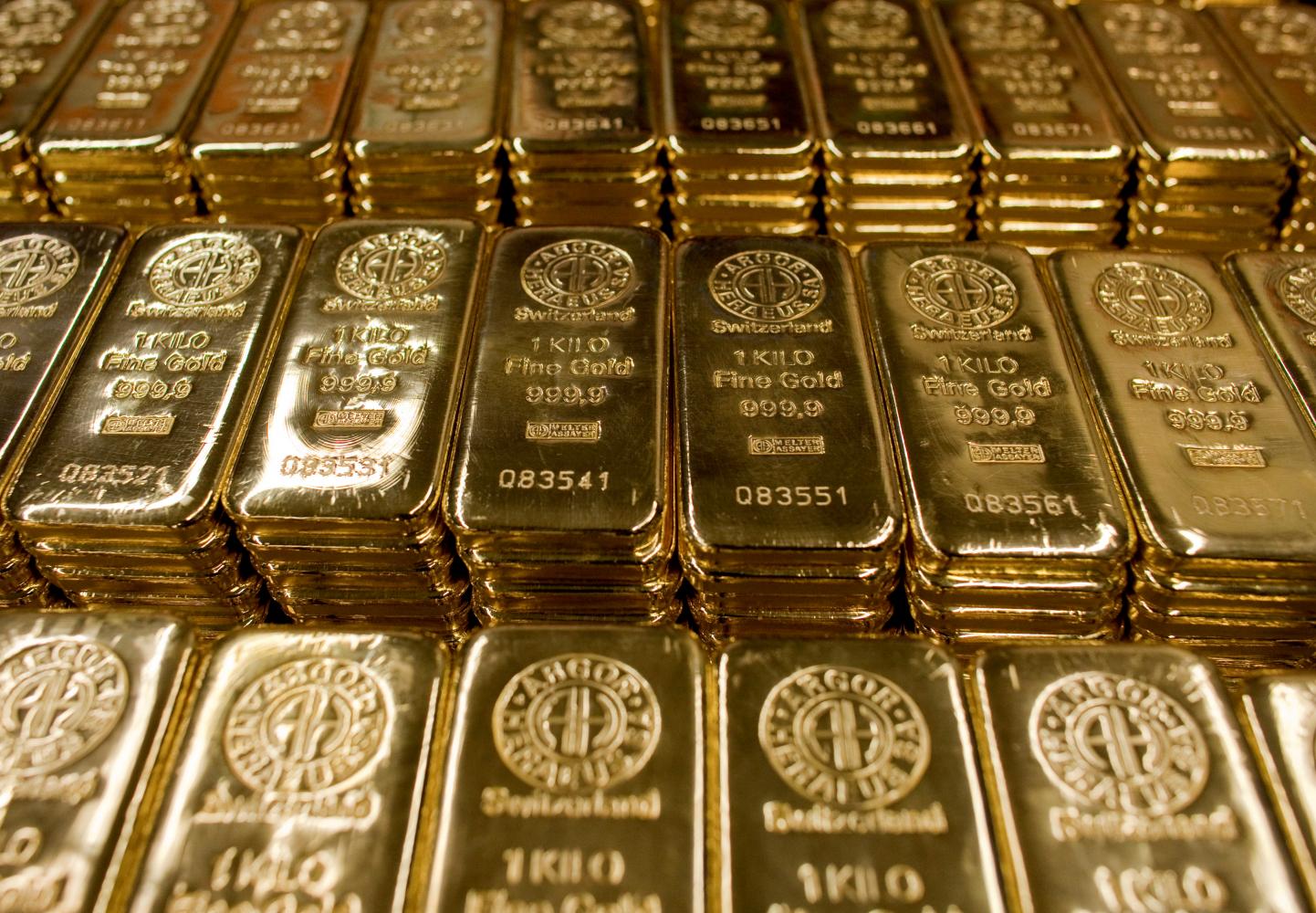
For bars, rounds, and government coins (Eagles, Maple Leafs), melt value is straightforward — weight and purity are stamped on the product. For scrap gold and jewelry, you need to account for karat purity. A 14K gold chain is 58.3% pure gold, so a 10-gram chain contains only 5.83 grams of actual gold.
Our gold melt scrap calculator and silver scrap calculator let you enter weight and purity and see current melt value based on live spot prices. The silver calculator includes presets for common junk silver coins so you don’t need to look up weights.
Any offer significantly below melt is a red flag. Any offer above melt means you’re receiving a premium — common for collectible pieces, less so for generic bullion.
Where to Sell: Your Options Compared
Online Bullion Dealers
Major dealers like APMEX, JM Bullion, SD Bullion, and others run buyback programs for individual sellers. You request a quote, lock a price based on current spot, ship via insured mail, and receive payment after verification. Turnaround is typically 5–10 business days.
The advantage is fair, spot-linked pricing from dealers with reputations to protect. The trade-off: you won’t get spot. Typical buyback prices run 2–5% below spot for gold and 5–15% below for silver, varying by product and market conditions. Since each dealer sets their own prices, comparing is essential. Our sell hub aggregates current buyback pricing from multiple dealers so you can see who’s paying the most.
Local Coin Shops
The face-to-face experience and immediate payment, sometimes in cash, make local shops appealing, but pricing varies widely. A competitive dealer may match online offers, a jewelry store moonlighting in bullion may not.
Local shops are particularly strong for numismatic and collectible coins — the dealer can physically examine condition, rarity, and market demand in ways that are harder remotely. If you have rare dates, key pieces, or high-grade slabbed coins, a knowledgeable coin shop may pay more than an online dealer that treats everything as generic metal.
Pawn Shops
Convenient and immediate, but typically the worst pricing — often 60–80% of melt for gold and less for silver. Unless you need cash within the hour and have no alternative, almost any other channel pays more.
Peer-to-Peer Selling
eBay, Reddit’s r/PMsforsale, Collect Pure and Peer Metals let you sell directly to collectors and investors, cutting out the dealer margin. You can sometimes get at or above spot for common bullion.
The trade-off: you handle shipping, insurance, and payment yourself. eBay fees run 12–15%. Forum sales rely on reputation and trust. This channel works best for experienced sellers who know the market and the platforms.
“We Buy Gold” Storefronts
Most operate like pawn shops — 50–70% of melt, targeting convenience-oriented sellers. Some legitimate dealers run similar-looking storefronts, so check reviews and ask what percentage of spot they pay before committing.
How to Get the Best Price
Calculate melt value first. Use our gold calculator or silver calculator to know your floor before any negotiation.
Get multiple quotes. Three to five offers from different buyers gives you leverage and a realistic sense of market pricing. Our sell comparison pages can streamline this.
Know what you have. A 1 oz American Gold Eagle commands a different buyback price than a generic 1 oz round. Government coins sell for more than generics. Older products from sought-after mints (Engelhard, Johnson Matthey) often carry collector premiums.
Sell gold and silver separately. A gold-focused dealer may lowball your silver. Treat each metal as its own transaction.
Time your sale. Dealer buyback prices track live spot, so selling during a mid-day spike versus a morning dip makes a real difference on larger transactions. Watch spot for a day or two before locking in.
Understand the lock-in. Online dealers lock your sell price during a phone call or on their website, then give you 24–48 hours to ship. If spot drops after lock-in, you keep the agreed price. If it rises, you’re locked. Know this before committing.
Selling Junk Silver
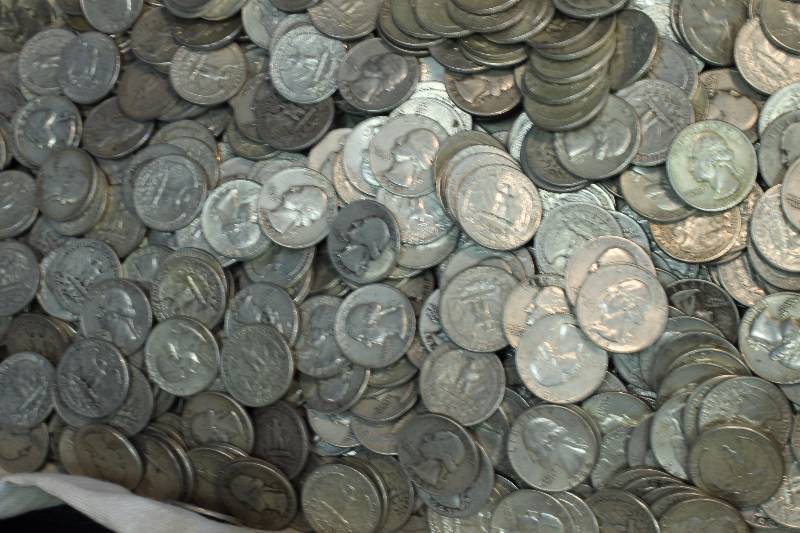
Junk silver — pre-1965 U.S. dimes, quarters, and half dollars containing 90% silver — has its own dynamics. It’s priced by face value: $1 face (10 dimes, 4 quarters, or 2 half dollars) contains approximately 0.715 troy ounces of silver.
Small amounts (under $10 face) sell easiest at a local shop or on forums. Larger quantities ($100+ face) are worth quoting with online dealers like Monument Metals, who typically price bulk junk silver more competitively. Dealer-to-dealer variance on junk silver tends to be wider than on bars or rounds — comparing matters even more here.
Selling Rare or Numismatic Coins
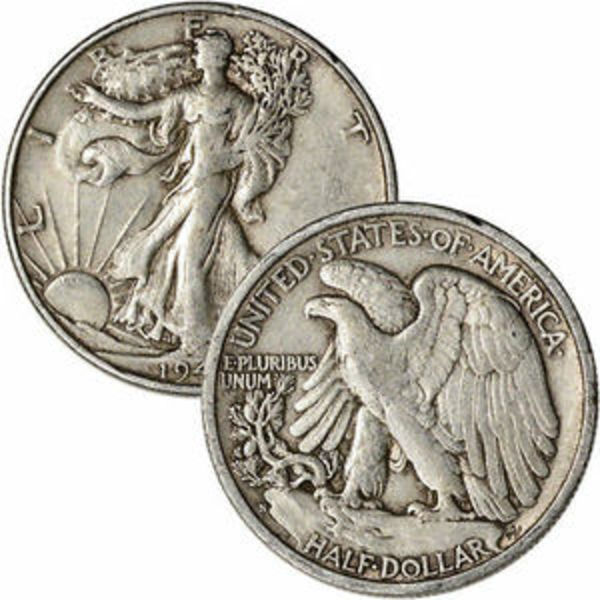
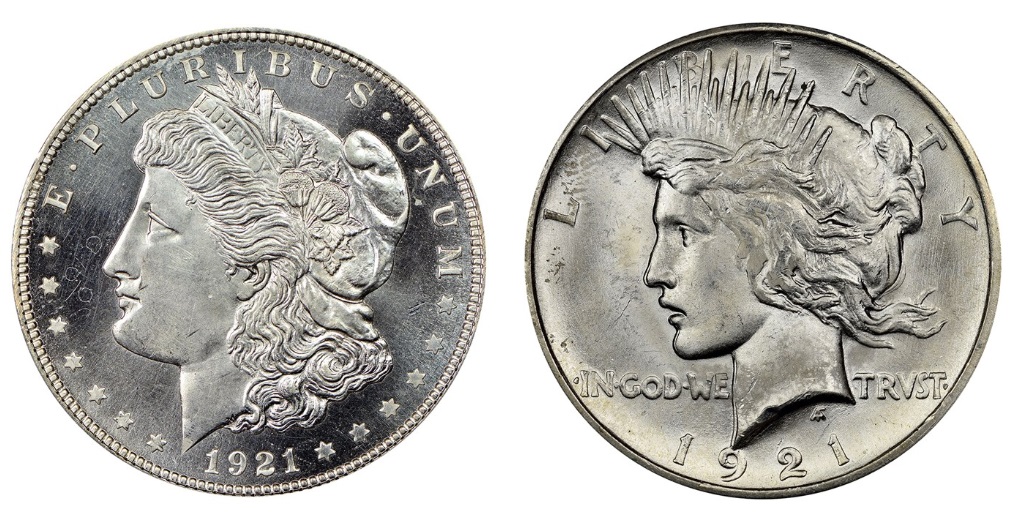
Coins with numismatic value — key dates, mint errors, proofs, or anything worth more than its metal content — should not go to a generic buyer or typical online bullion dealer. Those buyers price everything as bullion and ignore the collector premium.
Your best options: specialized coin dealers, auction houses like Heritage Auctions or Stack’s Bowers, or collector-to-collector sales. Having coins graded by PCGS or NGC before selling can significantly increase your price, especially for higher-grade coins.
Why Comparing Matters
Unlike selling a stock — where every share trades at one price on the exchange — selling a gold coin means dealing with individual buyers who each set their own price. This creates natural price dispersion, and that dispersion creates opportunity for informed sellers.
Our sell section pulls together dealer buyback offers so you can see the spread and identify who’s currently paying the most. Whether you sell through a dealer, local shop, or peer-to-peer, having visibility into what the market is actually paying gives you negotiating power.
Common Questions
Do I need to pay taxes when I sell?
In the U.S., profits from selling precious metals are subject to capital gains tax. Gold and silver are classified as collectibles by the IRS, so long-term gains (held over one year) are taxed at a maximum 28% rate rather than standard capital gains rates. Short-term gains are taxed as ordinary income. Dealers file IRS Form 1099-B for certain transactions — typically 25+ ounces of gold or 1,000+ ounces of silver in a single sale. Consult a tax professional for your specific situation.
How do I know if a buyback price is fair?
Check spot and calculate melt value. Fair buyback for standard bullion is typically within 2–5% of melt for gold and 5–15% for silver. If someone offers significantly below melt, they’re counting on you not knowing the math. Three quotes from different buyers reveals where the market actually is.
Should I sell coins or bars first?
Consider selling whichever format commands the lowest premium in the current market. Generic bars and rounds carry lower premiums, meaning dealers also pay less premium when buying them back. Selling items where the premium gap is narrowest preserves more of your investment. Also consider cost basis — selling lowest-cost items first may reduce capital gains.
Is selling online safe?
Selling to established online dealers is generally safe and straightforward. Look for strong reputations, years in business, and clear buyback policies. Always insure your shipment for full value with tracking and signature confirmation.