Many new investors are curious about the differences between poured, cast, and minted silver bars. Understanding how each type is manufactured helps investors make informed decisions about which style best fits their portfolio and personal preferences.
All silver bars begin as refined silver, but the manufacturing method determines their final appearance, texture, and premium. Each process produces a distinctly different product that appeals to different types of collectors and investors.
What Is a Poured Silver Bar?
Poured silver bars are made by heating silver to its melting point and pouring the molten metal into an open-top mold, typically made of graphite or another heat-resistant material. The silver is left to cool naturally in the mold.
Because the top of the mold is open, the exposed surface develops distinctive cooling lines, striations, and ripple patterns. These natural variations give each poured bar a unique, handcrafted appearance that many collectors find appealing.
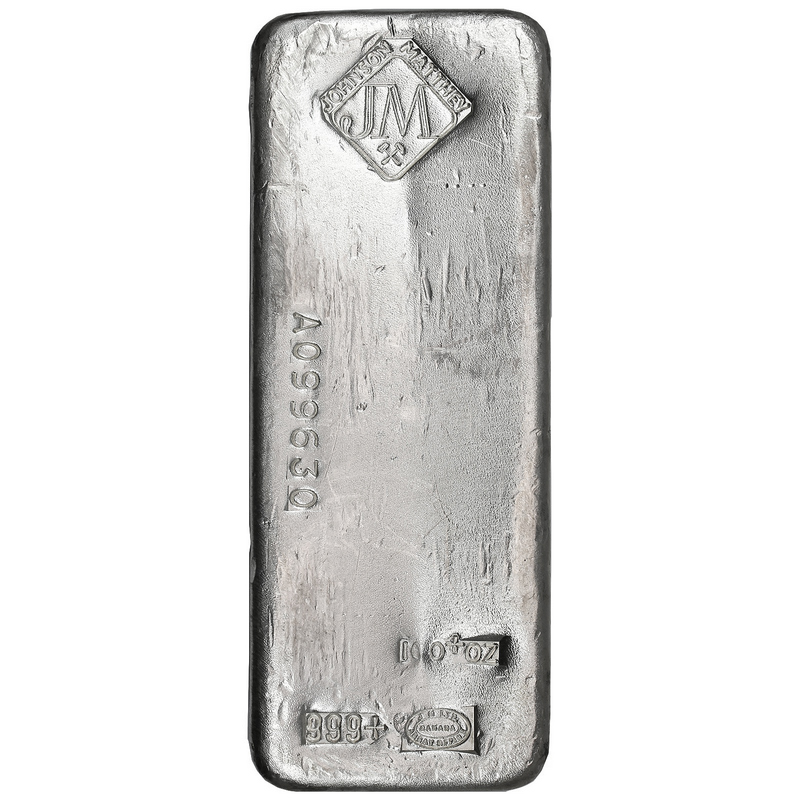
Poured bars often carry slightly higher premiums than generic minted bars because of the additional labor involved and the artisan quality of each piece. No two poured bars are exactly alike, which adds to their collectibility.
What Is a Cast Silver Bar?
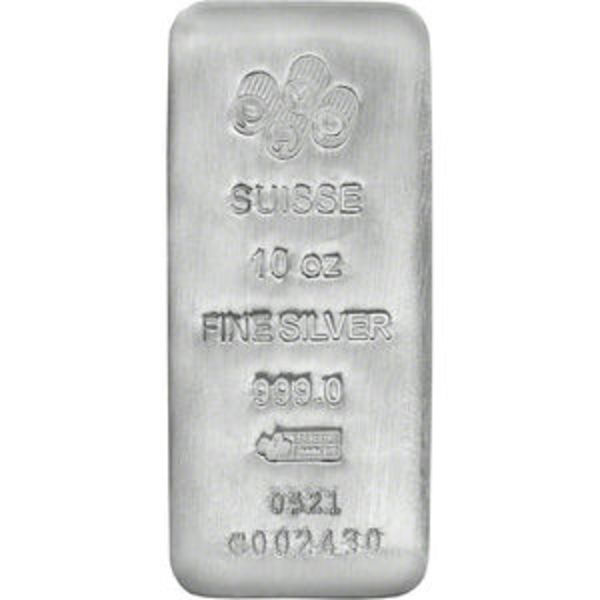
Cast silver bars are also produced by pouring molten silver into a mold, but the key difference is that the mold is fully enclosed rather than open-topped. This closed mold gives the finished bar a more uniform surface without the pour lines seen on open-poured bars.
Casting is a technique widely used in jewelry making and silver art, where a smooth, consistent finish is desired. Cast bars retain a slightly rustic character compared to machine-stamped products while offering a cleaner look than poured bars.
What Is a Minted (Stamped) Silver Bar?
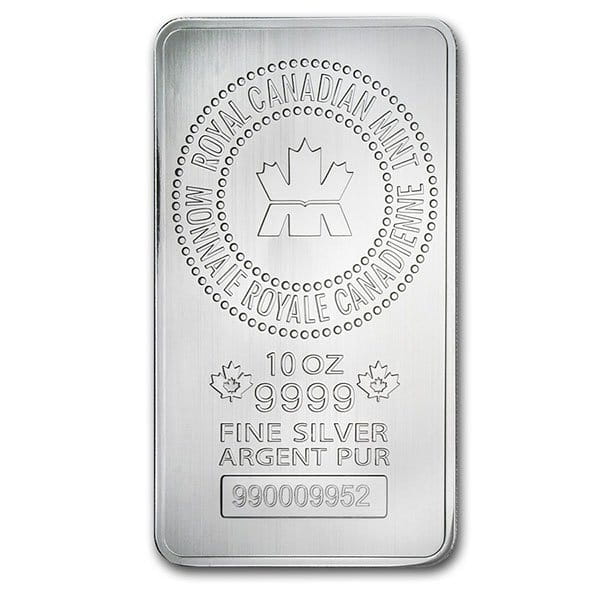
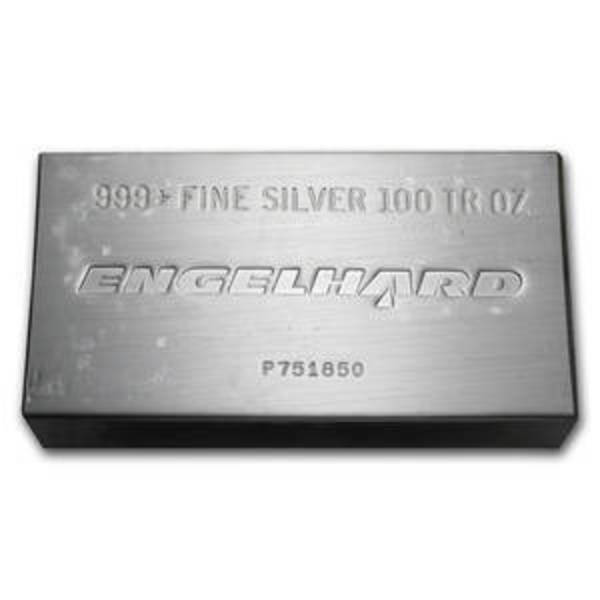
Minted silver bars, sometimes called stamped or extruded bars, are produced using industrial stamping presses or extrusion processes. A blank of refined silver is cut to precise dimensions and then stamped with the mint’s design, weight, and purity markings under high pressure.
These bars have a polished, machine-finished appearance with sharp edges and highly detailed engravings. Minted bars are the most common type sold by major refineries and typically carry the lowest premiums at larger weights.
Poured vs Cast vs Minted: Key Differences
| Feature | Poured | Cast | Minted |
|---|---|---|---|
| Mold Type | Open-top | Closed / enclosed | Stamping press or extrusion |
| Surface Finish | Rough with pour lines | Smoother, still rustic | Polished and uniform |
| Uniqueness | Each bar is one-of-a-kind | Slight variation between bars | Virtually identical |
| Typical Premium | Higher (artisan appeal) | Moderate | Lowest at larger weights |
| Collector Appeal | High (vintage and artisan) | Moderate to high | Standard investment grade |
| Common Weights | 1 oz to 100 oz | 10 oz to 1 kilo | 1 oz to 1000 oz |
Popular Manufacturers of Poured and Cast Bars
Many investors and silver stackers prefer poured or cast silver bars for their unique craftsmanship. Some collect vintage poured bars from legacy refineries like Engelhard and Johnson Matthey, which are no longer in production and have become highly collectible.
Several private mints currently produce poured and cast bars. Argor-Heraeus offers a line of 10 oz cast silver bars and cast kilo bars that are popular among investors seeking a classic look from a trusted refiner.
Germania Mint offers a line of cast silver bars in various weights that have gained a strong following. PAMP Suisse has also released cast silver bars available in 500-gram, 1-kilo, and 100-oz sizes, bringing their reputation for quality to the cast bar market.
Which Type Should You Buy?
The choice between poured, cast, and minted silver bars comes down to personal preference and investment goals. Investors focused purely on accumulating silver at the lowest cost per ounce may prefer minted bars from major refineries, which tend to carry the thinnest premiums at larger weights.
Collectors who value uniqueness and craftsmanship often gravitate toward poured bars, where each piece tells its own story. Cast bars offer a middle ground, combining a handmade aesthetic with the reliability of established mints like Argor-Heraeus and PAMP Suisse.
Regardless of the manufacturing method, all three types contain the same purity and weight of silver. The intrinsic metal value remains identical, so the decision is ultimately about premium tolerance and personal taste.
Related Guides
- What Are Secondary Market Silver Bars?
- What Is Secondary Market Bullion?
- Compare Silver Bar Prices
- Best Scales for Weighing Silver and Gold Bullion
This article is for informational purposes only and does not constitute financial or investment advice. Precious metals investing involves risk, and past performance is not indicative of future results. Always conduct your own research before making investment decisions.