Secondary market bullion is the precious metals equivalent of the used car market. When investors decide to sell their gold or silver holdings, those items re-enter the supply chain and become available to new buyers at prices that are typically lower than newly minted products.
Understanding how the secondary market works can help investors find better deals and build their precious metals portfolios more efficiently. Whether buying gold coins, silver bars, or rounds, the secondary market offers real value for cost-conscious buyers.
How Bullion Enters the Secondary Market
Newly minted bars, coins, and rounds are initially sold by online dealers, local coin stores, and authorized distributors shortly after they are manufactured. This is the primary market, where products go directly from the mint to the end buyer.
When bullion investors later decide to divest their holdings, they typically sell back to a local coin shop, pawn shop, or online bullion broker. The dealer inspects the items and, if the metal is in acceptable condition, adds them to their inventory for resale. Sometimes bullion is returned to a refinery where it is melted and recycled into new products, but more often, pieces are resold to other investors in their existing form.
Why Secondary Market Bullion Costs Less
The primary reason secondary market bullion is cheaper is the buy-sell spread. When dealers purchase precious metals from individual investors, they typically pay at or slightly below the melt value. This allows dealers to price secondary market products lower than newly minted items while still maintaining a margin.
Secondary market pieces may show minor signs of wear such as light scratches, scuff marks, or tarnish from handling and storage. These cosmetic imperfections do not affect the metal content or intrinsic value, but they do contribute to lower premiums. For investors focused on accumulating metal rather than collecting pristine specimens, this represents an opportunity to acquire more ounces for the same investment.
Types of Secondary Market Bullion
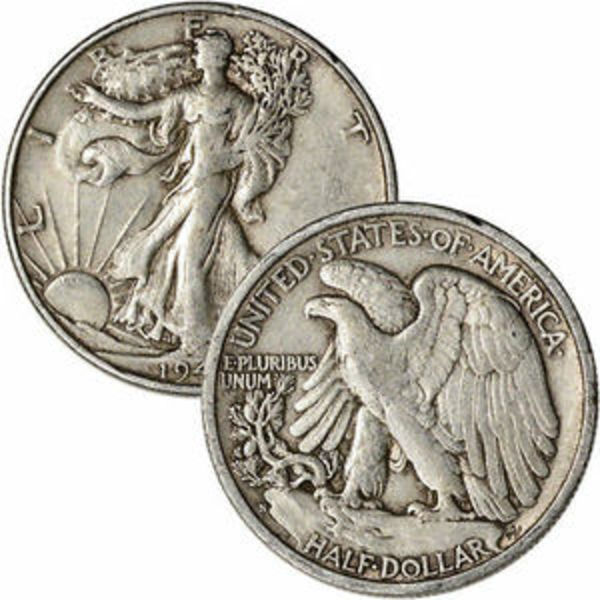
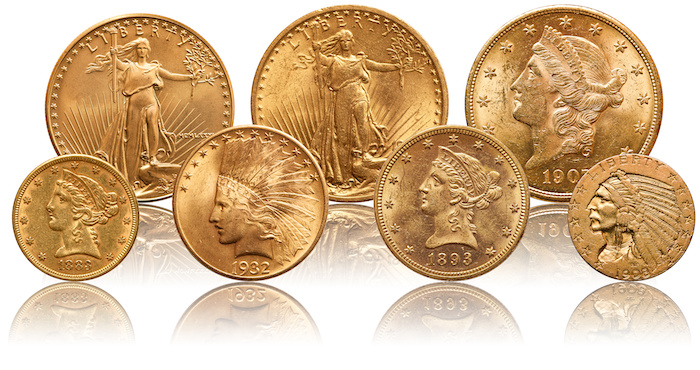
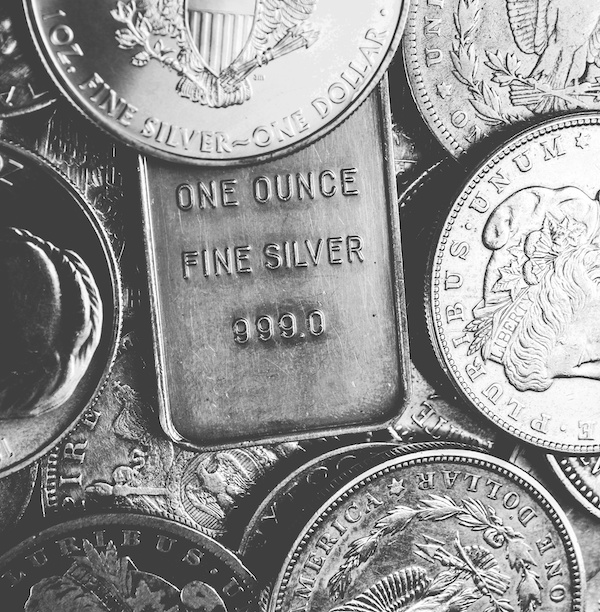
The secondary market encompasses virtually every type of precious metals product. Common items include government-minted coins from previous years, generic silver rounds, silver bars in various weights, and backdated gold coins that may be harder to find in the primary market.
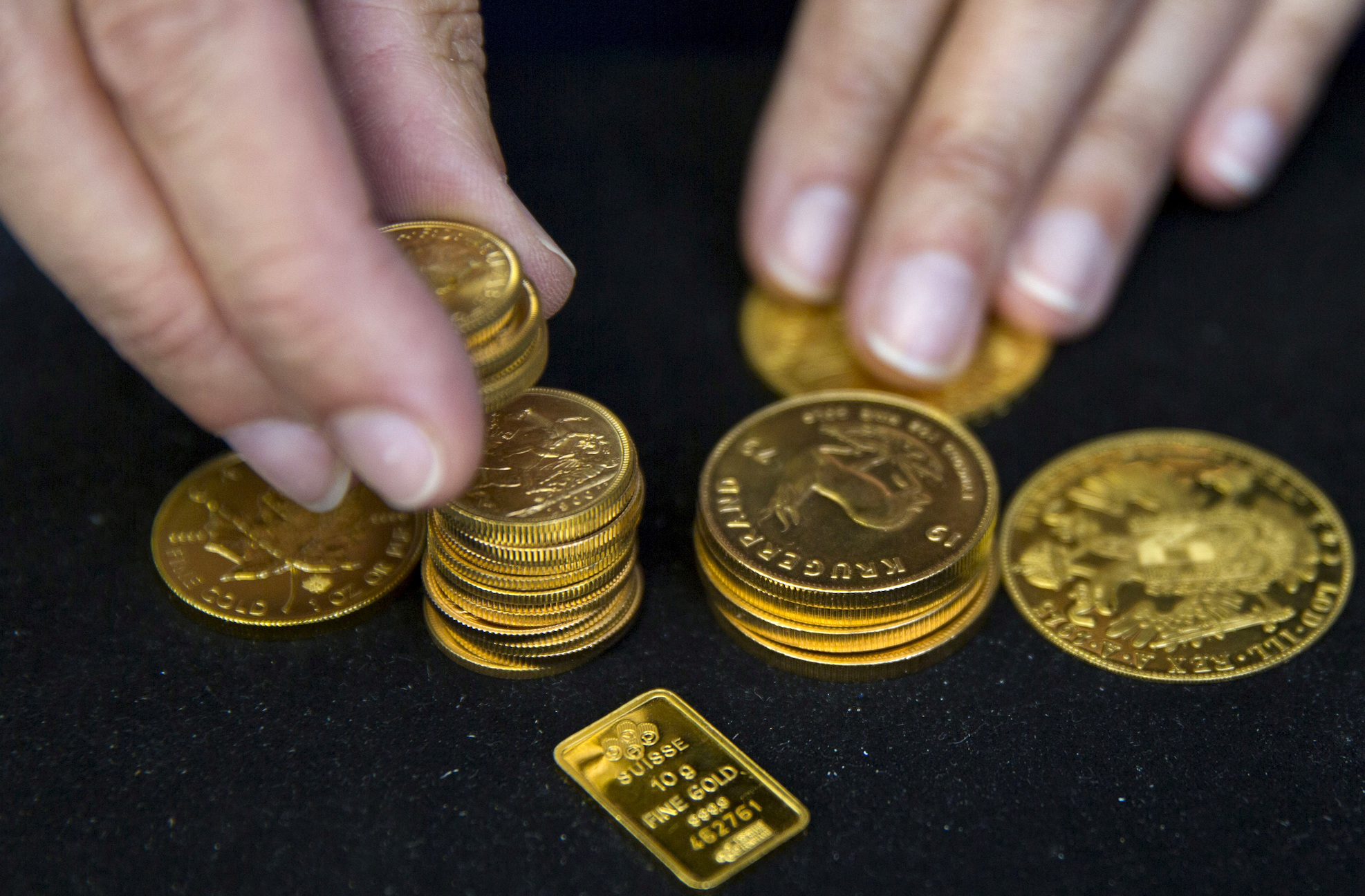
Secondary market gold bars hold the same intrinsic value as newly minted bars of the same weight and purity. The only difference is the source: a secondary market bar has had at least one previous owner. Similarly, secondary market gold coins retain their government-backed guarantee of weight and purity regardless of how many times they have changed hands.
Advantages of Buying Secondary Market
The most significant advantage is cost savings. Lower premiums mean more metal per dollar invested, which is particularly impactful when building a position over time through regular purchases.
Secondary market buying can also provide access to discontinued or hard-to-find products. Vintage silver bars from refineries like Engelhard and Johnson Matthey, which are no longer in production, occasionally appear in secondary market inventories. These pieces can carry additional collector value beyond their metal content.
For new investors, the secondary market is an excellent entry point. The lower premiums reduce the initial cost barrier, allowing investors to start building a position with less capital while still acquiring the same quality of precious metal.
What to Look for When Buying
When purchasing secondary market bullion, buy from reputable dealers who inspect and verify every piece they resell. Established online dealers and local coin shops with strong reputations provide confidence that the items are authentic and accurately described.
Check the weight and dimensions of any piece against its published specifications. A precision digital scale is an essential tool for any bullion investor. Minor cosmetic wear is normal and expected on secondary market items, but significant damage or questionable markings warrant closer inspection.
Related Guides
- What Are Secondary Market Silver Bars?
- Poured vs Cast Silver Bars
- Compare Silver Bullion Prices
- Silver Bar Values
- Cheaper Alternatives to Silver Eagles
- Silver Bars vs Silver Coins
This article is for informational purposes only and does not constitute financial or investment advice. Precious metals investing involves risk, and past performance is not indicative of future results. Always conduct your own research before making investment decisions.