With silver sitting near $63.31/oz, you would expect pre-1965 U.S. 90% silver coins (commonly called “junk silver”) to be commanding steep premiums. Instead, the opposite is happening. For the first time in years, junk silver is trading at or below its melt value at many dealers.
This is a real market anomaly, and it will not last forever. Here is what is driving it, what the coins are actually worth right now, and how to take advantage of it.
What Is Junk Silver?
Pre-1965 U.S. dimes, quarters, and half dollars contain 90% silver. They are called “junk” because they have no numismatic premium; the junk silver value comes entirely from silver content. These coins have been a staple of precious metals investing for decades because they are recognizable, divisible, and carry no counterfeiting risk.
If you have ever searched “what is a silver quarter worth” or “silver dime value,” the answer always comes back to one thing: the current spot price of silver multiplied by the coin’s silver weight.
What Is Each Coin Worth Right Now?
At today’s silver spot price (~$63.31/oz), here is the melt value by denomination:
| Coin | Silver Content (troy oz) | Melt Value |
|---|---|---|
| Roosevelt/Mercury Dime | 0.0723 | ~$4.58 |
| Washington Quarter | 0.1808 | ~$11.45 |
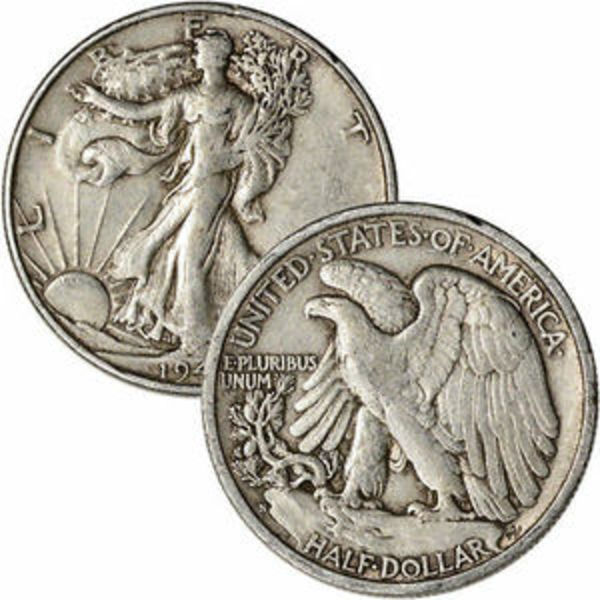
| Franklin/Walking Liberty Half Dollar | 0.3617 | ~$22.90 |
That silver quarter value of $11.45 is the pure melt number. The silver dime value and silver half dollar value follow the same formula, just with different weights. What makes 2026 unusual is that you can often buy these coins at or near these melt prices.
Use our Silver Coin Value Calculator for real-time values at today’s spot price.
Why Junk Silver Is Trading Below Spot
Three factors converged to create this discount:
Record public selling. Silver’s 148% gain in 2025, culminating in an all-time high of $121.67/oz in January 2026, triggered a wave of selling from the public. People raided coin jars, inherited collections, and old stacks they had been sitting on for years. Dealers were flooded with inventory they did not ask for.
Refinery backlogs. The volume of 90% silver hitting the market overwhelmed refinery capacity. Refiners have throttled intake of junk silver because they cannot process it fast enough. That backlog pushes dealer buyback prices down, which drags retail prices down with it.
A dealer inventory glut. With refineries slow to accept product and retail demand unable to absorb the flood, dealers are sitting on more junk silver inventory than they want. The result: competitive pricing that, in some cases, dips below melt value.
This is unusual. During the 2020-2021 silver squeeze, junk silver premiums hit 30-40% over spot. Today, you can find bulk 90% silver at 3-5% below melt, and some dealer buyback offers are 8-10% below melt.
What This Means for Buyers
The math is simple: you are getting silver at or near its raw metal value with zero premium over spot. Compare that to:
- Silver Eagles: Typically 15-25% premium over spot
- 1 oz silver rounds: 8-12% premium
- 10 oz bars: 5-10% premium
90% silver at or close to melt is, ounce-for-ounce, one of the cheapest ways to buy physical silver right now. For a direct comparison, see Silver Eagles vs Junk Silver: Which Is the Better Buy?
There is also a built-in floor: these coins have a fixed silver content. When refinery backlogs clear and the supply glut normalizes, premiums will compress back toward historical norms of 5-10% over melt. Buyers who lock in at today’s prices can capture that premium expansion on top of any movement in silver spot.
Which Denominations Offer the Best Value?
Not all junk silver trades at the same premium. Here is the general hierarchy:
Dimes and quarters (lowest premiums). These are the most common and easiest to source in bulk. If you are optimizing for cost-per-ounce, start here. The silver dime value makes them practical for small, divisible holdings; each dime contains just under 1/14th of an ounce. Silver quarters hit a middle ground with roughly 1/5.5 oz each. Dealers move large volumes of both and price aggressively.
Half dollars (slightly higher premiums). Walking Liberty and Franklin halves carry a small collector premium in some cases, but the silver half dollar value still tracks close to melt. They traded well above melt 18 months ago; the current discount is a recent development.
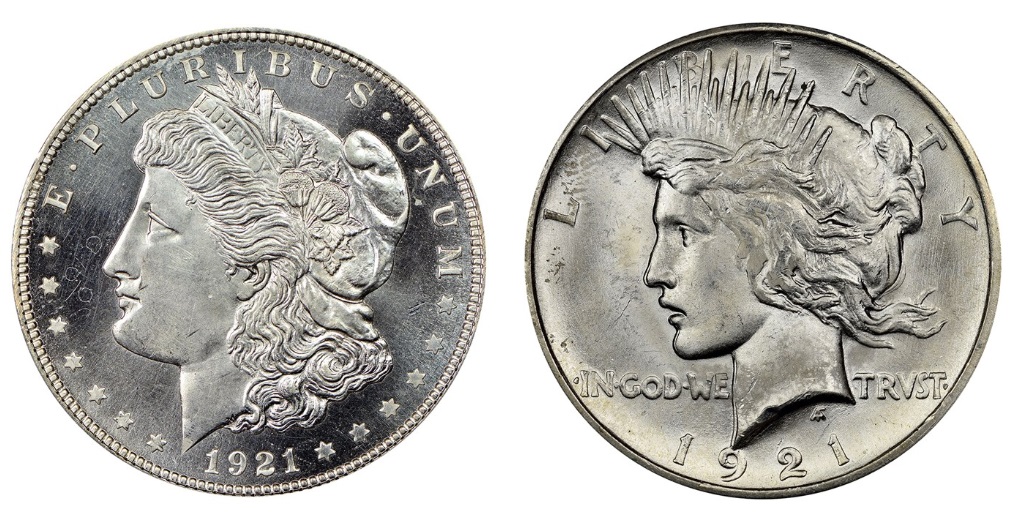
Silver dollars (highest premiums). Morgan and Peace silver dollar coins consistently trade 10-15% over melt due to collector crossover demand. They are not participating in the discount the same way smaller denominations are. If you are buying for pure junk silver value, skip the dollars and focus on dimes, quarters, and halves.
For pure silver value, quarters and dimes in bulk bags are the sweet spot right now.
How to Compare Dealer Prices
The discount varies significantly by dealer. Some are clearing inventory aggressively; others are holding firm. This is exactly the kind of market where comparing prices across multiple vendors matters.
On FindBullionPrices.com, you can evaluate junk silver prices across dealers in real time, seeing who offers the lowest premium (or deepest discount) on 90% silver by denomination.
A few things to watch when comparing:
- Price per $1 face value: this is the standard unit for junk silver. At melt, $1 face value of 90% silver contains 0.7234 troy oz, worth ~$57.87 at $80 spot.
- Minimum order sizes: some dealers discount more on larger orders ($100+ face value bags vs. $10 rolls).
- Shipping costs: a great per-unit price means less if shipping adds $15-20 on a small order.
How to Verify What You Are Buying
One underrated advantage of junk silver: authenticity is simple. These are U.S. Mint-produced coins with known weights, dimensions, and silver content. An authentic 1964 Washington quarter weighs 6.25 grams and rings with a distinct tone when dropped on a hard surface. Counterfeiting a 50-year-old circulated coin is far harder and less profitable than faking a modern silver round or bar.
That said, if you are buying rolls or bags sight-unseen, stick to reputable dealers. Our dealer comparison pages show vendor ratings alongside pricing, so you can weigh both cost and reliability.
For anyone calculating junk silver value on a specific lot (say a mixed bag of dimes, quarters, and halves), use the coin value calculator to price each denomination at the current spot price, then compare that total to the dealer’s asking price. The difference is your effective premium (or discount).
Will the Discount Last?
Probably not. The structural silver market tells a different story than the junk silver glut suggests. The broader silver market faces its sixth consecutive supply deficit in 2026, driven by industrial demand from solar panels, EVs, and data centers consuming over 50% of annual supply. For a deeper look at this trend, see our analysis of the six consecutive years of silver supply deficits.
Once refineries clear their backlogs and dealer inventory normalizes, premiums on 90% silver are likely to return to historical levels. J.P. Morgan forecasts an average silver price of $81/oz for 2026, and China’s January 2026 export restrictions are tightening global supply further.
The window where junk silver trades near or below melt value is a temporary side effect of a supply chain bottleneck, not a reflection of the metal’s long-term value.
The Bottom Line
If you have been waiting for an entry point into physical silver, this is as good as the math gets. Junk silver at 3-5% over melt (with some dealers offering even less) is historically cheap. The coins are 90% silver, universally recognized, and divisible down to a single dime.
Check current junk silver prices across dealers on FindBullionPrices.com, and use our Silver Coin Value Calculator to verify exactly what each coin is worth at today’s spot price before you buy.
More Coin Guides
- Valuable 1776-1976 Bicentennial Quarters: Errors, Values, Silver Varieties & Auction Records
- Stacking U.S. Mint .999 Fine Silver Proof Quarters: A Practical Guide for Stackers and Collectors
- Silver Values
- America the Beautiful 5 oz Silver Coins and 90% Silver Proof Quarters
- Which Quarters are Worth Money?
- 2019 Silver Proof Quarters: The First .999 Fine Silver Set