For the first time in modern history, multiple major economies are simultaneously restricting silver exports, building strategic stockpiles, and treating the metal as a national security asset. What makes this moment different from previous supply disruptions is the geopolitical alignment behind it: three of the four governments tightening silver supply, China, Russia, and India, are core BRICS members actively coordinating on critical minerals strategy and de-dollarization. The United States is responding with its own suite of restrictions, stockpiles, and bilateral mineral agreements. The result is not four independent policy decisions happening to coincide. It is two competing economic blocs locking down the same finite resource at the same time, and the bullion market sits directly in the crossfire.
The BRICS Side: Coordinated Resource Nationalism
At the 17th BRICS Summit in Rio de Janeiro (July 2025), member nations advanced coordinated critical mineral frameworks, including a proposed Critical Minerals Alliance and a precious metals exchange designed to settle trades outside Western systems like SWIFT and the London Metal Exchange. Between 2020 and 2024, BRICS central banks accounted for more than 50% of global gold purchases. Silver is next.
China moved first. Starting January 1, 2026, Beijing replaced its old export quota system with a licensing framework that limits authorized silver exporters to just 44 companies for 2026-2027. Each must produce at least 80 tonnes annually and maintain $30 million in credit lines, shutting out smaller firms and placing silver on the same regulatory footing as rare earths. Shanghai physical silver stocks sat at 10-year lows heading into the year.
Russia allocated $535 million in its 2025-2027 Federal Budget for precious metals purchases, with silver explicitly named alongside gold, platinum, and palladium. This is the first time during the current bull market that any central bank has formally announced silver purchases for state reserves. The move fits Russia’s broader push toward commodity-backed settlement instruments that can function outside dollar-denominated markets.
India restricted silver jewelry imports through March 2026 after the Commerce Ministry flagged a tenfold surge in disguised silver imports from Thailand. At the same time, India cut its silver bullion import duty from 15% to 6%, channeling demand through official state-monitored channels. The pattern across all three BRICS members is the same: tighter controls on silver flows, more government oversight, and a clear shift toward treating the metal as a strategic commodity.
The U.S. Response: Playing Catch-Up
The USGS added silver to the Critical Minerals List in November 2025, the first time the metal received that designation. The policy response was fast. In January 2026, President Trump signed a Section 232 executive order on critical mineral imports. In February, Vice President Vance pitched price floors for critical minerals to more than 50 nations and launched Project Vault, a $12 billion public-private strategic minerals reserve. On July 30, Trump signed a Defense Production Act order restricting exports of recycled critical minerals. This week, Trump is expected to personally attend a State Department roundtable with mining CEOs. Taken alongside bilateral mineral agreements with the EU and Mexico, and the administration’s broader resource posture in Panama and Venezuela, the direction is clear: the U.S. is racing to match the supply-side controls that BRICS members already have in place.
What Happens When Both Sides Stockpile at Once
The silver market was already running a structural deficit before any of this started. The Silver Institute’s World Silver Survey 2026 projects a sixth consecutive annual shortfall, with the 2026 deficit estimated at 46 million ounces. Global mine production has plateaued around 820 to 835 million ounces annually, and new mining projects take 7 to 15 years from discovery to production. Industrial demand, driven by solar energy infrastructure, electronics, and defense applications, now exceeds 700 million ounces per year. Since 2021, cumulative deficits have drawn down an estimated 762 million ounces from above-ground stockpiles, nearly equivalent to one full year of global mine production.
Government stockpiling intensifies that deficit. Every ounce that goes into a strategic reserve is an ounce removed from the tradeable float. Every export restriction narrows the pipeline available to the global market. The effect compounds: China’s export controls reduce the supply available outside China, which increases pressure on COMEX and LBMA inventories, which in turn makes the U.S. stockpiling program more expensive and more disruptive to the open market. Russia and India are pulling from the same global pool, and increasingly doing so through channels that bypass Western exchanges entirely.
The U.S. is particularly exposed. According to USGS data, domestic silver mine production (approximately 1,100 metric tons in 2025) covers roughly 12% of apparent consumption (9,400 metric tons). Imports for consumption reached 7,600 metric tons in 2025, up sharply from 4,430 metric tons in 2024. A country that depends on imports for the vast majority of a mineral it has just designated as strategically essential is in a fundamentally different position than a net exporter. Every policy action by China or Russia to restrict supply makes that dependency more acute.
When multiple sovereign buyers enter a market that is already in deficit, competing with industrial demand that is structurally inelastic (solar panel manufacturers cannot substitute away from silver), the clearing price moves higher. The question is not whether these policies create upward pressure on silver spot prices, but how much and how fast. Silver climbed from roughly $34 in March 2025 to an all-time high of $121.62 on January 29, 2026, a gain of more than 250% in under a year, before crashing over 30% in a single trading session. Since late June, the price has traded essentially flat in the $55 to $60 range, currently sitting near $58. That consolidation may look like the rally is over, but the policy infrastructure being built underneath it, the stockpiles, the export licenses, the bilateral mineral agreements, creates a ratchet effect: each new restriction removes supply flexibility that does not come back when prices dip.
What This Means for the Bullion Market
The physical bullion market is already feeling this, and the pressure will build as these policies take full effect.
Premiums on physical silver products will remain elevated and volatile. When spot prices spike, retail demand surges at the same time that refiners and mints face constrained feedstock. The result is premium blowouts: the gap between the spot price and the price you actually pay for a coin or bar widens dramatically. We saw this during the early 2026 rally, with premiums in Japan hitting 60% and Dubai reaching 40%. U.S. dealer premiums expanded as well, though not as severely. In a market where governments are actively competing for physical metal, these premium spikes will become more frequent because the underlying supply cushion that historically absorbed demand surges is being consumed by sovereign stockpiling programs.
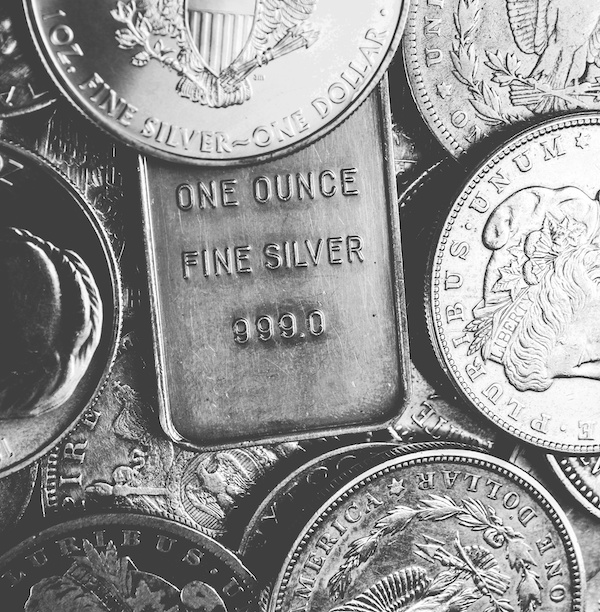
Product availability will become less predictable. The U.S. Mint’s American Silver Eagle program depends on the Mint’s working silver inventory, which is separate from any strategic reserve. The Mint has already struggled with blank supply in recent years. If the government simultaneously builds a strategic stockpile and maintains its coinage program, something has to give. Private mints face similar constraints. Silver rounds, bars, and other products require .999 fine silver feedstock, and the global refining pipeline is the same pipeline that feeds industrial demand. When that pipeline tightens, the products that carry the lowest margins (generic rounds, secondary market bars) tend to disappear first, pushing buyers toward higher-premium sovereign coins or forcing them to accept longer delivery times.
The spread between “closest to spot” products and premium products will widen. In a well-supplied market, competition among dealers compresses premiums toward a narrow band. In a supply-constrained market, the cheapest silver becomes scarce first, and the floor premium rises. Tracking premium trends over time and comparing current dealer pricing closest to spot becomes more important in this environment, because the difference between buying at 8% over spot and 15% over spot on the same day from different dealers can be significant on larger purchases.
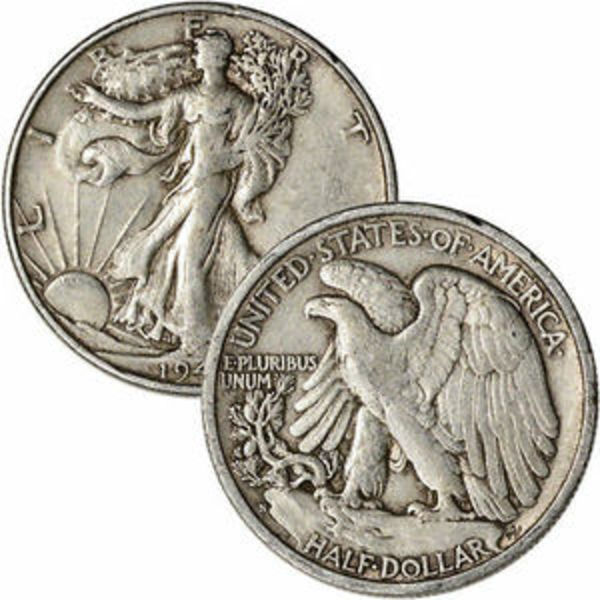
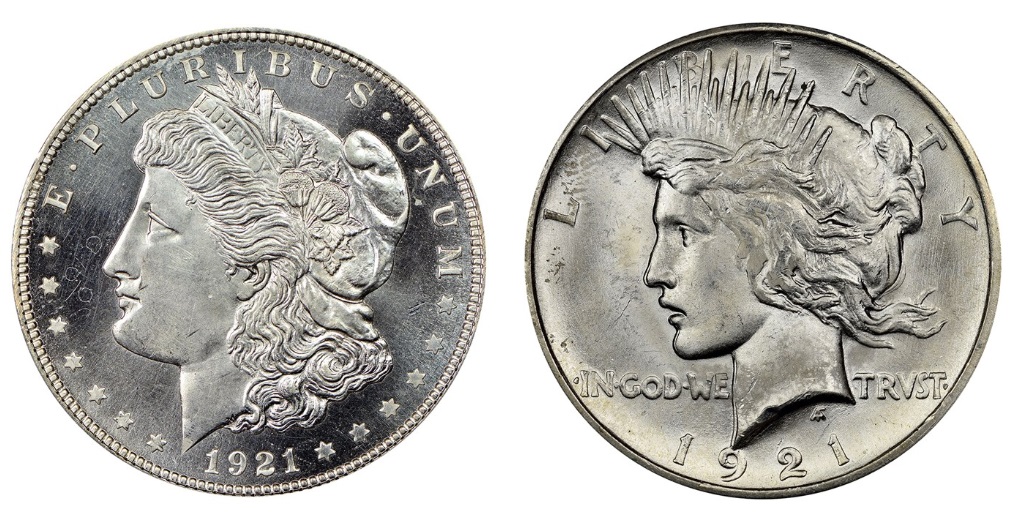
Constitutional silver (pre-1965 U.S. coins containing 90% silver, including Mercury and Roosevelt dimes, Washington quarters, and Kennedy half dollars) may see renewed demand as a bullion play. These coins trade on silver melt value with small premiums in normal markets, and they represent a large existing pool of silver that does not depend on new refining capacity. In previous supply squeezes, junk silver bags have traded at or above melt when .999 products were backordered.
The Structural Shift
What makes the current environment different from previous silver rallies is that the supply restrictions are policy-driven and geopolitically entrenched, not cyclical. A mine closure or a demand spike can reverse in a year or two. Executive orders, strategic reserves, export licensing regimes, and coordinated BRICS mineral frameworks create institutional structures that persist across administrations and business cycles. China is not going to un-designate silver as a strategic material. The U.S. is not going to dissolve a reserve it just spent $12 billion building. Russia is not going to stop diversifying away from dollar-denominated assets while under sanctions. And the BRICS precious metals exchange is not going to shut down because silver prices dip.
The practical result is a market where the tradeable supply of silver shrinks over time even if mine production stays flat, because a growing share of that production is absorbed by competing government programs and strategic reserves rather than flowing freely into the commercial market. The BRICS bloc is building parallel commodity infrastructure specifically designed to operate outside Western pricing mechanisms, which means a portion of global silver trade may eventually settle at prices that COMEX and LBMA never see. For bullion buyers, this means the days of cheap, abundant silver may be ending, not because of a speculative bubble, but because two competing power blocs have collectively decided the metal is too important to leave to the open market.