Updated November 2026. This article was first published in March 2023, when JP Morgan Chase became the only custodian holding silver for the iShares Silver Trust. It has been rewritten with current holdings, the 2026 vault audit, and the custody terms from the trust’s latest annual report.
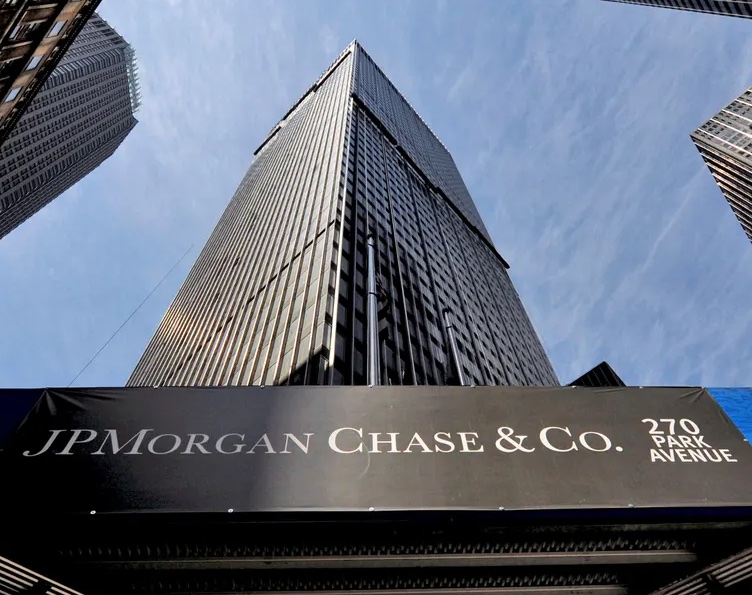
The iShares Silver Trust (SLV) is the largest silver-backed exchange-traded product in the world. It launched in 2006 and holds physical silver bars in bank vaults on behalf of its shareholders. Since March 2023, every one of those bars has sat in a vault operated by a single company: JPMorgan Chase Bank.
That arrangement has now been through the most violent stretch in the modern silver market, including the London squeeze of October 2025 and a price spike above $120 per ounce in January 2026. Here is where SLV’s silver is today, what the paperwork says about it, and what a shareholder does and does not own.
SLV Holdings at a Glance
Date
Silver Held (troy oz)
Source
March 2023
459,485,126
JP Morgan bar list
February 27, 2026
511,168,490
Annual vault audit
October 26, 2026
498,327,884
iShares
At roughly 498 million ounces, or about 15,500 metric tons, the trust held $26.9 billion in net assets in late October. Holdings are about 8% higher than when JP Morgan became sole custodian. The custodian is JPMorgan Chase Bank N.A., London Branch. The Bank of New York Mellon is the trustee, and BlackRock’s iShares unit is the sponsor.
What Changed in March 2023
Before 2023, SLV’s bar list showed metal spread across JP Morgan’s own vaults and vaults run by other companies acting as sub-custodians. In late March 2023 the bar list changed. As precious metals analyst Bob Coleman pointed out at the time, the third-party vault operators he identified, Brink’s and Malca-Amit, were gone and JP Morgan was the only name left.
JPM is now the sole custodian for Silver at the SLV Etf , brinks and malca are out. pic.twitter.com/COKfWfiQDA
Our original report also noted a gap of about 597,000 ounces between JP Morgan’s bar list and the total BlackRock published the same day. That gap has a mundane explanation. iShares states that the ounces shown on its website reflect trade-date activity, while the bar list reflects accounting data, so the two figures routinely differ by a small amount. A 597,000-ounce difference was about 0.13% of the trust.
The 2026 Audit: 523,802 Bars in Two Cities
The trustee hires an outside inspector, Bureau Veritas, to count the silver once a year. The most recent report, dated May 28, 2026, covers holdings as of February 27, 2026.
Location
Bars
Troy Ounces
Share
JPMorgan Chase Bank, London
435,905
422,999,596
82.8%
JPMorgan Chase Bank, New York
87,897
88,168,894
17.2%
Total
523,802
511,168,490
100%
The inspectors reported a full count of all 523,802 bars, with pallets matched to the custodian’s records and two bars per pallet pulled at random and checked for serial number, refiner, and purity. They reported no physical or administrative non-conformities.
Two details are worth pulling out. First, there is no third-party vault on the list. Three years after the change, JP Morgan is still the only company holding SLV metal. Second, the mix shifted toward London. Compared with the prior year’s audit, the London count rose by about 89,600 bars while New York fell by about 14,900. That is consistent with the scramble to refill London vaults after the October 2025 squeeze.
SLV’s London position is also large relative to the market it sits in. LBMA data put total silver in London vaults at roughly 27,065 metric tons at the end of February 2026. SLV’s London bars came to about 13,160 tons on the audit date, which is close to half of all the silver in the London vault system held for one fund by one custodian.
What the Custody Agreement Says
The trust’s 2025 annual report spells out the terms. They are more protective than SLV’s critics sometimes claim, and less protective than many shareholders assume.
The silver is allocated. No more than 1,100 ounces may be left in unallocated form at the end of any business day. The rest is specific bars identified on a published list.
No lending. The trust does not lend its silver, and the custodian has no right to lend it.
Sub-custodians are still allowed. JP Morgan may hold trust silver at another vault operator in England or New York, provided that operator is an LBMA member.
Liability is limited. The custodian is responsible only for losses that result directly from its own negligence, fraud, or willful default. It is not responsible for losses from war, terrorism, acts of government, and similar events.
Insurance can be withdrawn. The custodian has agreed to maintain insurance, but it can reduce or cancel that coverage after giving the trustee written notice, with 30 days required in the case of cancellation.
English law governs. The custody agreement is with the bank’s London branch and is governed by English law.
Does a Single Custodian Matter?
It is a concentration risk, not evidence of a problem. One custodian means one set of vault operations, one insurance program, and one bank’s controls standing behind half a billion ounces. If something goes wrong at that one institution, there is no second custodian holding part of the stack.
The identity of the custodian is part of why this story gets attention. In 2020, JP Morgan agreed to pay more than $920 million to resolve U.S. charges that its traders manipulated precious metals futures markets over a period of years. That case concerned trading, not vault custody, and nothing in SLV’s audits suggests metal is missing. But it explains why many silver investors are uneasy seeing the same bank hold all of the fund’s metal.
The past year also offered a real stress test. During the October 2025 squeeze, the cost of borrowing silver in London spiked, and by some estimates only about 17% of London vault stocks were not already backing exchange-traded products. SLV continued to add metal during that period. The trust did what it is designed to do, which is track the silver price. Its shares more than doubled in 2025 and were down about 25% for 2026 as of late October.
What SLV Shareholders Actually Own
An SLV share is a claim on a trust that owns silver. It is not a claim on silver you can collect. Only authorized participants, which are large broker-dealers, can exchange shares for metal, and only in baskets of 50,000 shares, currently about 45,000 ounces each. Everyone else can sell shares for cash.
Each share also represents slightly less silver every year. The trust sells metal to cover its 0.50% sponsor fee, so a share that represented one ounce at launch, adjusted for the 2008 split, now stands for about 0.90 ounces.
None of that makes SLV a bad product. For trading silver’s price in a brokerage account, it is liquid and cheap to get in and out of. It is a different thing from owning metal. Between you and the silver stand a sponsor, a trustee, a custodian, a broker, and a set of legal agreements. We covered that distinction in more depth in why physical gold and silver carry no counterparty risk.
SLV vs. Physical Silver
SLV Shares
Physical Silver
What you own
Shares of a trust
The metal itself
Cost to buy
Brokerage spread, near spot
Spot plus a dealer premium
Ongoing cost
0.50% per year
Storage and insurance, if any
Parties you rely on
Sponsor, trustee, custodian, broker
None if held personally
Can you take delivery?
No, for retail holders
Yes
Speed to sell
Seconds, during market hours
Hours to days, through a dealer
Many investors use both: SLV for short-term exposure and physical metal for the portion they want outside the financial system. If you are buying physical, premiums vary widely by product and dealer, so it pays to compare. Our closest-to-spot silver page ranks current bullion prices by premium, and large silver bars generally carry the lowest cost per ounce. You can follow the live silver price here, and when it is time to sell, compare dealer buyback prices before you accept an offer.
Bottom Line
JP Morgan Chase has been the sole custodian of SLV’s silver since March 2023, and the 2026 audit confirms nothing has changed: 523,802 bars, all in JP Morgan vaults in London and New York, all accounted for. The metal is allocated, audited, and cannot be lent. The trade-off is concentration in one bank, limited custodian liability, and no path for an ordinary shareholder to ever hold a bar.
If your goal is price exposure, that trade-off may be fine. If your goal is to own silver that does not depend on anyone else’s vault, the old saying still applies: if you don’t hold it, you don’t own it.
Disclaimer
FindBullionPrices.com is an informational resource and does not sell bullion or securities. Holdings, audit figures, and custody terms are drawn from iShares Silver Trust disclosures, its Form 10-K for 2025, and the Bureau Veritas inspection report dated May 28, 2026, and may have changed since publication. This article is not financial, investment, or legal advice. Read the trust’s prospectus before investing.