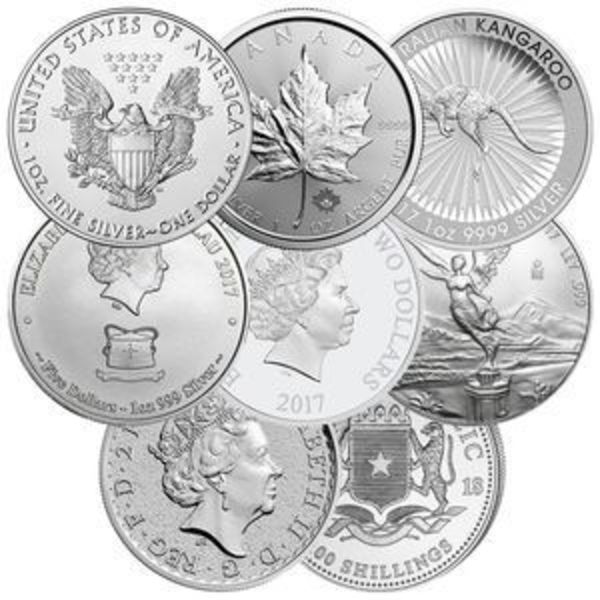
Sovereign governments around the world mint silver bullion coins primarily for investors. These coins carry a legal tender face value in their country of origin, are backed by government guarantees of weight and purity, and are widely recognized in the global precious metals market.
For investors building a silver portfolio, understanding the differences between the major government-minted silver coins helps inform purchasing decisions. Each coin has distinct characteristics including purity, security features, premium structure, and global liquidity that can influence which coins best fit an investor’s strategy.
American Silver Eagle
The American Silver Eagle is the official silver bullion coin of the United States, first issued by the U.S. Mint in 1986. Each coin contains one troy ounce of .999 fine silver and carries a legal tender face value of $1 USD.
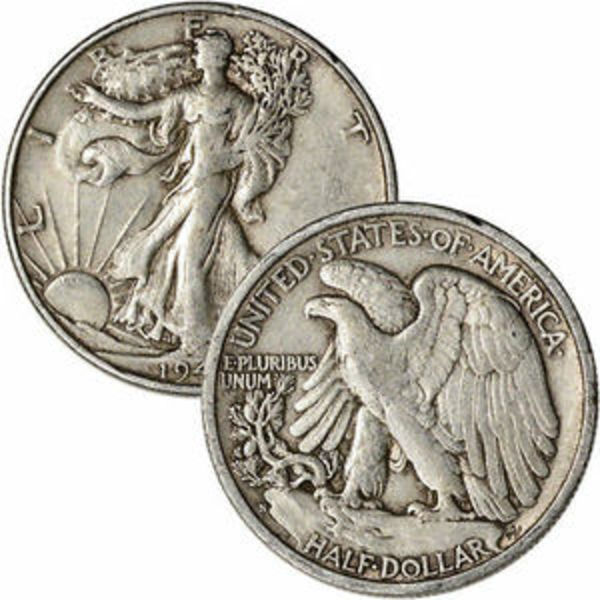
The obverse features Adolph A. Weinman’s Walking Liberty design, originally created for the half dollar coin in 1916. The reverse was redesigned in 2021 with a new eagle landing image by Emily Damstra. Silver Eagles are the most widely traded silver coin in North America, which gives them exceptional liquidity in the secondary market.
However, Silver Eagles consistently carry the highest dealer premiums among major government coins. The U.S. Mint’s authorized purchaser distribution model and sustained collector demand contribute to premiums that can be several dollars per ounce above other sovereign coins. Secondary market Silver Eagles from previous years offer a way to reduce this premium while still holding the most recognized silver coin in the United States.
Canadian Silver Maple Leaf
The Canadian Silver Maple Leaf is minted by the Royal Canadian Mint in .9999 fine silver, making it one of the purest government silver coins available. Introduced in 1988, it carries a face value of $5 CAD.
The reverse features the iconic Sugar Maple Leaf, a national symbol of Canada, while the obverse displays a portrait of King Charles III on current issues. Earlier dates carry the portrait of Queen Elizabeth II.
The Royal Canadian Mint has incorporated several advanced anti-counterfeiting measures including radial lines that create a distinctive light-refracting pattern, micro-engraved maple leaf security marks, proprietary Bullion DNA technology with encrypted codes, and MINTSHIELD surface protection that virtually eliminates the milk-spotting issues that were common with earlier releases.
Silver Maple Leafs typically trade at a lower premium than American Silver Eagles while offering superior purity at .9999 fine. This combination of lower cost, high purity, and strong security features makes the Maple Leaf a favorite among cost-conscious investors.
Silver Eagle vs Silver Maple Leaf
The American Silver Eagle and the Canadian Silver Maple Leaf are the two most popular silver bullion coins in North America. Both are government-backed, contain one troy ounce of silver, and are widely recognized worldwide. The key differences come down to purity, premium, and security features.
| Feature | American Silver Eagle | Canadian Silver Maple Leaf |
|---|---|---|
| Mint | U.S. Mint | Royal Canadian Mint |
| First Minted | 1986 | 1988 |
| Purity | .999 fine silver | .9999 fine silver |
| Face Value | $1 USD | $5 CAD |
| Typical Premium | Highest among major coins | Lower than Silver Eagles |
| Security Features | Reed edge, standard design | Radial lines, micro-engraving, Bullion DNA, MINTSHIELD |
| Liquidity | Highest in North America | Very high globally |
Investors who prioritize brand recognition and domestic liquidity may prefer Silver Eagles despite the higher premium. Those focused on maximizing silver per dollar spent often gravitate toward Maple Leafs, which offer more silver purity at a lower cost per coin.
Austrian Silver Philharmonic
The Austrian Silver Philharmonic was introduced in 2008 and is the only bullion coin denominated in euros, carrying a face value of 1.50 EUR. Each coin is minted in .999 fine silver by the Austrian Mint.
The design celebrates the Vienna Philharmonic Orchestra, one of the world’s most famous musical ensembles. The obverse features the Great Organ of the Musikverein concert hall, which stands 36 feet tall with 6,138 pipes. The reverse depicts a collection of orchestral instruments including the cello, violin, harp, and bassoon.
Philharmonics are particularly popular in European markets and often carry some of the lowest premiums among major government silver coins, making them an excellent choice for investors focused on dollar-cost averaging their silver position.
British Silver Britannia
The Britannia Silver Coin from the Royal Mint began as a .958 purity coin in 1997 before being upgraded to .999 fine silver in 2013. Current issues feature King Charles III on the obverse and the Philip Nathan design of the mythological Britannia on the reverse.
The Royal Mint has incorporated multiple layers of anti-counterfeiting technology into the Britannia, including a latent security image that changes from a padlock to a trident when viewed from different angles, micro-engraved details, and a textured background pattern. These features make the Britannia one of the most secure silver coins available.
Previous year Britannia coins are frequently among the lowest-premium government silver coins available, making them a top choice for value-oriented investors. Note that earlier mintages may exhibit milk spotting, though this does not affect the silver content or value.
South African Silver Krugerrand
The Silver Krugerrand was introduced in 2017 as a silver counterpart to the iconic gold Krugerrand, which pioneered the modern bullion coin market in 1967. The coin is minted in .999 fine silver and shares the same classic design as its gold counterpart.
The obverse features the portrait of Paul Kruger, the former president of the South African Republic, while the reverse depicts the springbok antelope. The South African Mint produces Krugerrands on demand with no fixed mintage limit, which helps maintain steady supply and competitive pricing.
Of all currently minted sovereign silver coins, the Krugerrand is frequently priced with the lowest dealer premium, making it one of the most cost-effective ways to acquire government-backed silver.
Australian Silver Kangaroo
The Kangaroo 1 oz Silver Coin from the Perth Mint is struck from .9999 fine silver, matching the purity of the Canadian Maple Leaf. Produced annually since 2016 with unlimited mintages under the Australian Currency Act of 1965.
The reverse features a bounding red kangaroo surrounded by rays of sunlight, along with a micro-laser engraved security letter for authentication. The Perth Mint also produces several other collectible silver coin series including the Lunar Series, Koala, and Kookaburra, which feature annually changing designs that appeal to both investors and collectors.
Mexican Silver Libertad
The Mexican Libertad holds a special place in bullion coin history. The Mexican Onza, its predecessor, was the first modern 1 oz silver bullion coin when produced by the Mexico City mint in 1949. The current Libertad design was introduced in 1982 by La Casa de Moneda de México, the oldest operating mint in the Americas.
Libertads are unique among major silver coins because they carry no face value denomination. Their value is based entirely on their silver content. With historically limited mintages compared to other government coins, Libertads can carry higher premiums but also offer numismatic upside for collectors.
Comparing Government Silver Coins at a Glance
| Coin | Mint | Purity | First Year | Face Value | Premium Level |
|---|---|---|---|---|---|
| American Eagle | U.S. Mint | .999 | 1986 | $1 USD | Highest |
| Maple Leaf | Royal Canadian Mint | .9999 | 1988 | $5 CAD | Moderate |
| Philharmonic | Austrian Mint | .999 | 2008 | €1.50 | Lower |
| Britannia | Royal Mint | .999 | 1997 | £2 GBP | Lower |
| Krugerrand | South African Mint | .999 | 2017 | 1 Rand | Lowest |
| Kangaroo | Perth Mint | .9999 | 2016 | $1 AUD | Moderate |
| Libertad | La Casa de Moneda | .999 | 1982 | None | Higher (limited mintage) |
Choosing the Right Silver Coin
The choice between government silver coins depends on an investor’s priorities. Those focused on accumulating the most silver per dollar should compare current premiums across coins and dealers. The Krugerrand, Philharmonic, and Britannia frequently offer the lowest premiums among sovereign coins.
Investors who value maximum purity may prefer the .9999 fine Maple Leaf or Kangaroo. Those who prioritize domestic recognition and liquidity in the U.S. market may choose Silver Eagles despite the higher premium.
Regardless of which coin you choose, all major government silver coins contain one troy ounce of silver and carry the backing of their respective sovereign mint. The intrinsic silver value is effectively the same — the differences lie in premium, purity, design, and secondary market demand.
Related Guides
- The Basics of Modern Silver Investing
- Best 2026 Silver Coins for Investment
- 1 oz Silver Coins
- Cheapest Silver Coins
- The Junk Silver Discount: Why 90% Silver Coins Are Selling Below Melt in 2026
This article is for informational purposes only and does not constitute financial or investment advice. Precious metals investing involves risk, and past performance is not indicative of future results. Always conduct your own research before making investment decisions.