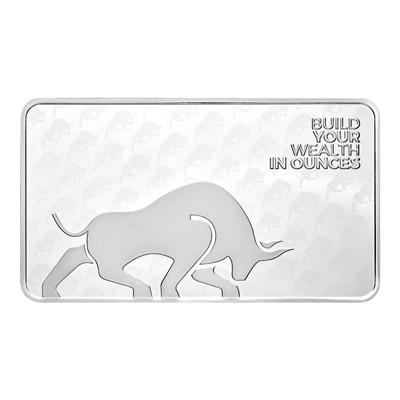
10 oz silver bars sit at the steepest part of the premium curve. The single biggest cost-per-ounce gain in physical silver buying happens between 1 oz and 10 oz — typically a 4–5 percentage-point drop in premium over spot. After that, each step up (kilo, 100 oz) saves less. For most investors with a few hundred to a few thousand dollars to deploy at a time, 10 oz bars capture most of the available efficiency without the capital outlay or resale friction of larger formats.
Beyond bar-size economics, dealer-to-dealer price variation matters as much as the size choice itself. The same 10 oz bar from the same refiner can vary 4–8 percentage points across major online retailers on the same day. This guide covers both halves: why 10 oz works, and how to actually find the best price once you’ve decided on the format.
The Premium Math by Bar Size
Every silver bar trades above spot. The markup covers refining, distribution, and dealer margin. Larger bars carry lower per-ounce premiums than smaller bars.
| Bar Size | Typical Premium Over Spot |
|---|---|
| 1 oz | 10–15% |
| 5 oz | 8–12% |
| 10 oz | 6–10% |
| 1 kilo (32.15 oz) | 5–8% |
| 100 oz | 2–5% |
The drop from 1 oz to 10 oz is the biggest gain. Going from 10 oz to kilo trims another 1–2 percentage points; from kilo to 100 oz, another 1–3. For an investor putting $1,000 into silver, a single 10 oz bar saves roughly $30–50 in premium versus ten 1 oz bars. Across a $10,000 accumulation, that gap compounds to $300–500.
Why 10 oz Bars Work
Capital efficiency at a manageable size. A silver 10 oz bar costs a few hundred to a thousand dollars depending on silver spot. That’s a meaningful purchase without the capital commitment of a kilo bar (~2.5–4× the cost) or a 100 oz bar (~8–12× the cost). Investors who want to dollar-cost average into silver can buy a 10 oz bar at a comfortable cadence without disrupting cash flow.
Resale liquidity. Unlike 100 oz bars, which require a buyer with serious capital and often longer settlement, 10 oz bars sell easily at any major bullion dealer and on the secondary market at near-spot. They’re one of the most heavily traded private-mint bullion products in North America.
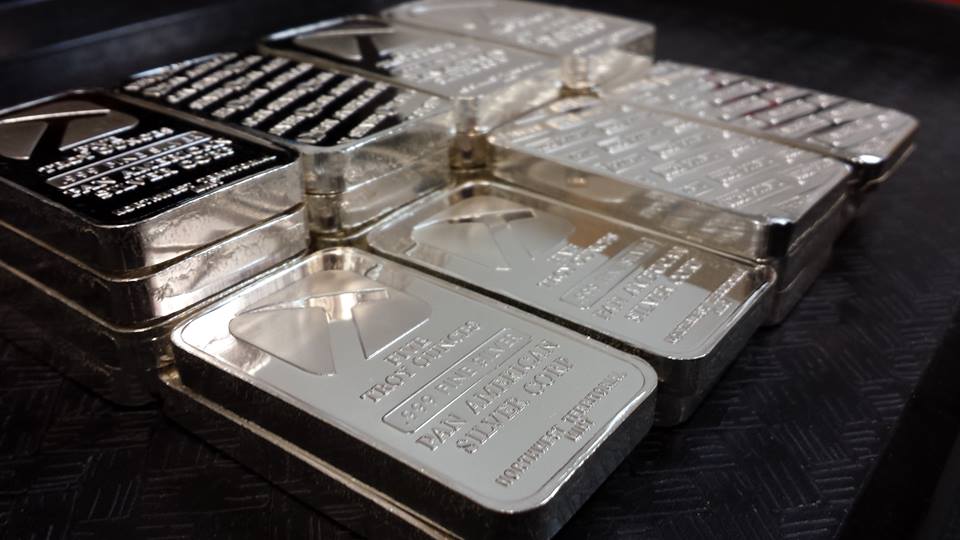
Storage density. A 10 oz bar from most refiners is roughly the size of a deck of playing cards — about 3.5 × 1.75 × 0.5 inches, depending on the mint. They stack efficiently in a home safe and ship without the freight surcharges that come with 100 oz bars.
What Drives Price Variation Between Dealers
Two 10 oz silver bars from the same refiner, listed on the same day, can vary by 4–8 percentage points across major online dealers. The drivers:
Inventory pressure. Dealers with excess stock discount more aggressively. Dealers running low on a popular refiner mark up to slow demand. Inventory turnover differs across retailers, so the same bar can be priced differently for reasons that have nothing to do with spot.
Brand vs. generic positioning. Brand-name bars from major refiners carry a small premium over the same weight in generic / secondary-market silver. The brand premium is real but rarely justifies more than 1–2 percentage points; if a dealer is charging a 5+ point brand premium on a common refiner, they’re overpriced.
Payment method. Many dealers offer 1–3% discounts for bank wire or check payments versus credit card. The headline price often assumes credit; the wire price is meaningfully lower.
Order size thresholds. Free-shipping thresholds, bulk discounts, and tier pricing kick in at different order sizes — typically $99 to $500 minimums for free shipping, with additional discounts at $1,000, $2,500, or $5,000 orders.
Promotional cycles. Retailers run promotions tied to spot-price moves, anniversary events, or inventory clearance. These are episodic; the dealer that’s cheapest this week may not be cheapest next week.
The implication: never buy from the first listing that appears.
How to Compare Prices Effectively
A practical comparison checklist:
- Price per ounce, not price per bar. Some dealers list 10 oz bars at “Xperbar”;otherslist”X per bar”; others list ” Xperbar”;otherslist”Y per ounce × 10.” Convert everything to per-ounce so comparisons are apples-to-apples.
- All-in cost. Add expected shipping and any payment-method surcharges. The cheapest sticker price isn’t always the cheapest delivered cost — particularly on small orders where shipping dominates.
- In-stock status. A “best price” listing on a dealer who’s out of stock helps no one. Confirm availability before pricing the trade.
- Refiner specificity. “Generic 10 oz silver bar” can mean different refiners depending on dealer inventory. If you have a refiner preference, filter for it explicitly.
- Live tracking tools. FindBullionPrices’ silver bar comparison tools tracks live pricing on 10 oz bars across major dealers.
Major Refiners and What to Look For
10 oz silver bars are .999 fine silver, stamped with weight, purity, and the refiner’s hallmark. Bars from major recognized refiners carry the strongest secondary-market liquidity and the lowest authentication friction at resale.
- Sunshine Minting — privately-held U.S. refiner; widely traded; typically among the most popular 10 oz silver bars
- SilverTowne Mint — long-running U.S. mint; recognizable hallmark; broad dealer support
- Scottsdale Mint — modern designs including the “Stacker” 10 oz format, which is shaped to stack flush
- PAMP Suisse, Valcambi — Swiss refiners with LBMA approval; carry small premium over private-mint bars but qualify for IRA holdings without question
- Asahi Refining — formerly Johnson Matthey‘s North American refining operations; LBMA-approved
- Royal Canadian Mint, Royal Mint Britannia — sovereign-mint options; slightly higher premium in exchange for government backing
Generic vs. Brand-Name 10 oz Bars
Online dealers sell both newly minted brand-name bars and “generic” or secondary-market 10 oz bars. The generic label is somewhat misleading — these bars are still produced by major refiners; they’ve simply been resold to a dealer by a previous owner. They may show light handling marks, tarnish, or scratches, but the silver content is unchanged. All bars sold as 10 oz silver are .999 fine silver.
Secondary-market bars typically carry the lowest premium of any 10 oz product. For investors focused on accumulating ounces rather than collecting specific brands, they’re usually the best value. The trade-off is that you can’t always specify the refiner — dealer inventory rotates, and the bar you receive may be a PAMP Suisse, SilverTowne, or older Engelhard depending on what’s in stock.
When 10 oz Isn’t the Right Call
You’re committing $2,500+ in a single buy. At that size, kilo bars deliver another 1–2 percentage points of premium savings. See the kilo silver bar guide for the breakeven math.
You need divisibility. You can’t sell half a 10 oz bar. If you might need to liquidate in smaller increments, 1 oz bars or junk silver coins give you that flexibility — at a cost of higher premium on the buy side.
You’re building IRA-eligible holdings. Most major-refiner 10 oz bars at .999 purity qualify, but custodian rules vary. PAMP Suisse, Valcambi, and the Royal Canadian Mint are accepted everywhere; SilverTowne, Sunshine, and Scottsdale are accepted by most custodians but worth confirming.
Dealer Selection Matters More Than Bar Size
The spread between dealers on the same 10 oz bar often exceeds the premium difference between bar sizes. One dealer might list a 10 oz Sunshine at 6% over spot while another lists the same bar at 10%. That gap can erase the savings of stepping up to a kilo from another retailer. Always compare across multiple dealers before buying — the lowest 10 oz bar price from one retailer often beats the average kilo price from another.
Bottom Line
10 oz silver bars are the format that captures most of the available premium savings without the capital outlay or resale friction of larger sizes. The single biggest efficiency gain in physical silver buying happens at this step — and dealer-to-dealer pricing spreads matter as much as the size choice itself. Compare across multiple retailers, factor in shipping and payment-method discounts, and confirm in-stock status before committing.
Compare 10 oz silver bar prices across dealers in real time on FindBullionPrices.com.
Related Guides
- 10 oz Silver Bar Prices
- Silver Bars vs. Coins: Which Is Right for You?
- Silver Bar Sizes Guide
- Silver by the Kilo: Is Buying 1kg Bars the Best Value Per Ounce?
- 100 oz Silver Bars: The Cornerstone of Serious Silver Portfolios
- Best Silver Bars to Buy
- Valcambi Silver Bars
- PAMP Suisse Silver Bars
This article is for informational purposes only and does not constitute financial or investment advice. Premium ranges cited reflect typical dealer market conditions and are subject to change. Investors should consult with a qualified financial advisor before making investment decisions.